Anti-Slip Rubber Explained: Uses, Grip, and Benefits
What is anti-slip rubber?
Anti-slip rubber is a rubber material (or rubberized coating) designed to increase friction between your hand, shoe, or an object and the surface you’re touching. By adding grip, it helps reduce sliding caused by sweat, smooth plastics, dust, or quick movements. It’s commonly used anywhere a secure hold matters—like tool handles, floor mats, phone cases, and gaming controller grips.
Anti-slip rubber works through a combination of surface texture and “tackiness.” Many products use micro-patterns, grooves, or pebbled finishes to create more contact points. Others rely on a slightly sticky rubber compound that “grabs” better than hard plastic, especially when your hands are damp.
Where is anti-slip rubber used most?
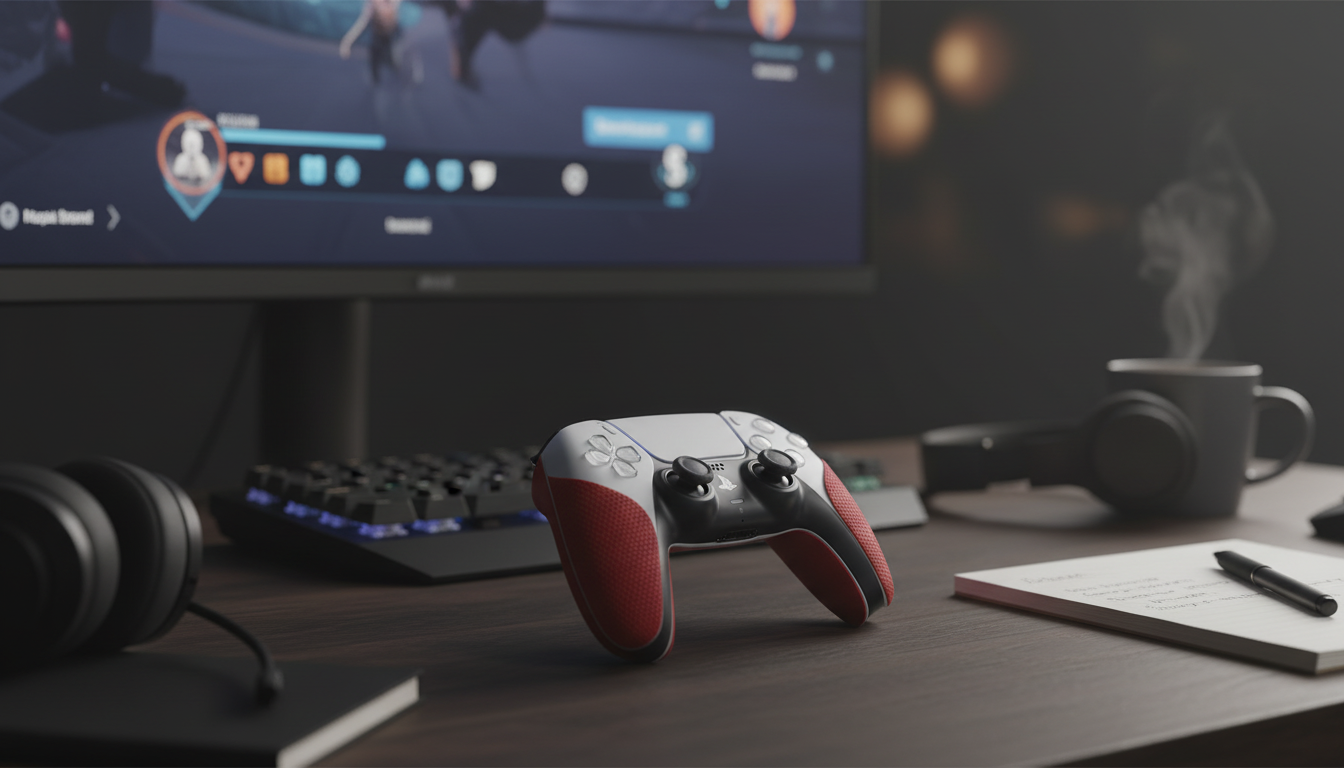
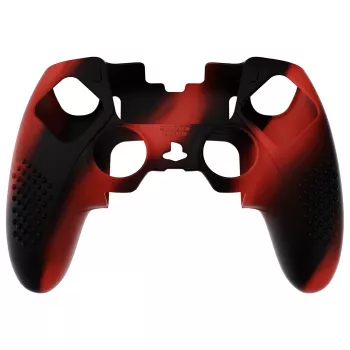
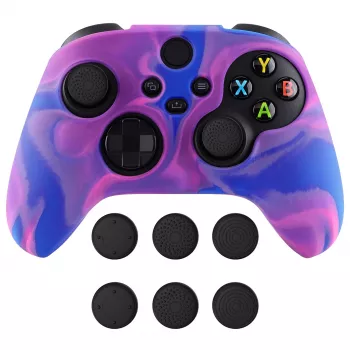
You’ll see it on items that are frequently handled or moved: grips for fitness equipment, drawer liners, anti-skid pads, steering wheel covers, and protective bumpers. In gaming accessories, anti-slip rubber (or rubber-like grip tape) can improve control by reducing hand fatigue and helping prevent accidental slips during longer sessions.
For a practical example of how non-slip grip materials are applied to controllers—and what to look for in a grip upgrade—see this guide to PS controller anti-slip grip stickers.
What makes anti-slip rubber different from regular rubber?
Regular rubber can be durable and flexible, but it isn’t always optimized for grip. Anti-slip rubber is formulated or finished specifically to resist sliding. That might mean a softer durometer (so it conforms to your hand), a higher-friction compound, or a textured pattern that stays grippy even when conditions aren’t ideal.
For Anti-Slip Rubber Explained: Uses, Grip, and Benefits, the best answer depends on fit, material, care instructions, and how the product will be used day to day.
FAQ
How do you make rubber non slip?
Common methods include adding a textured pattern, using a higher-friction rubber compound, or applying a rubberized coating. Some products also use adhesive-backed grip sheets that create a grippy top layer on smooth surfaces.







Leave a comment