Cozy Cowboy Fleece Pet Coat: Warm Winter Walks
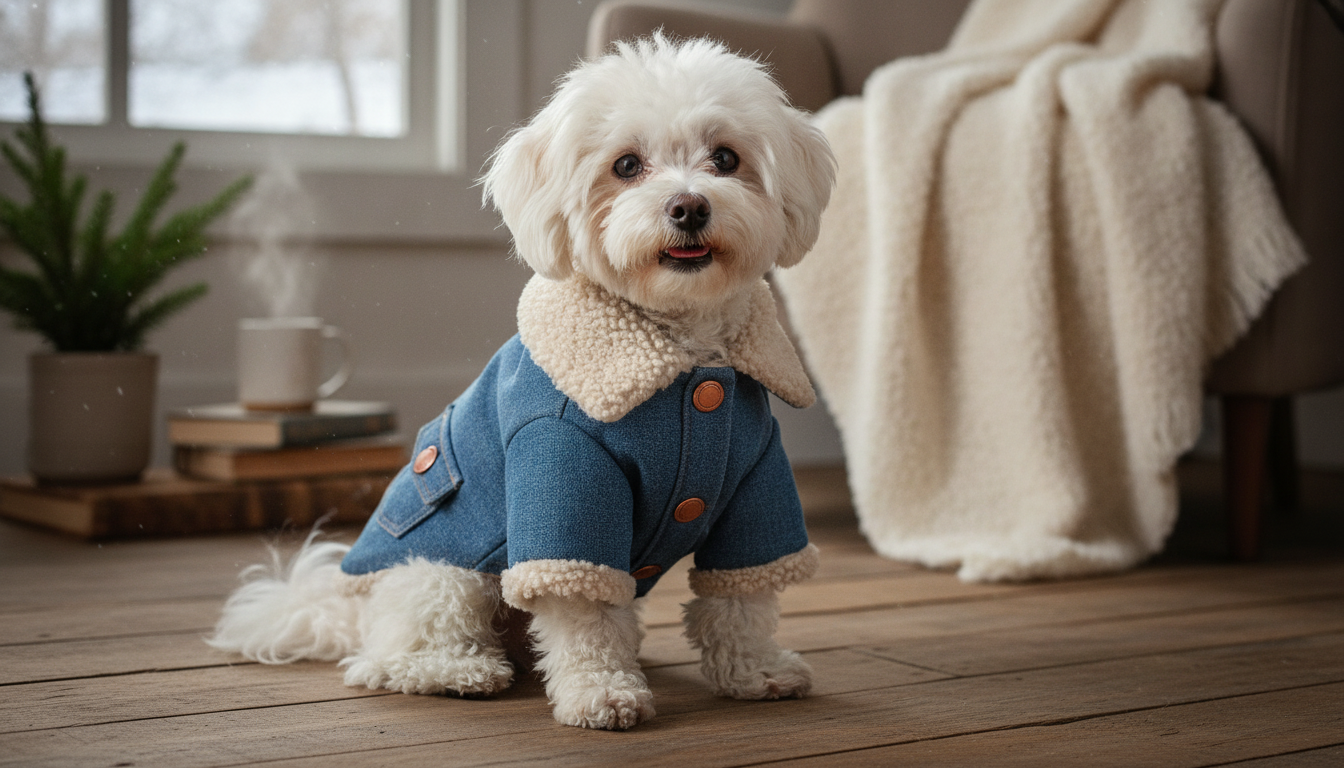
Cozy Warmth for Winter Walks (With a Little Cowboy Flair)
Cold days can turn quick walks and outdoor potty breaks into an uncomfortable experience for many pets—especially small breeds, short-haired dogs, seniors, and most cats. A fleece coat adds insulation without the bulk, and a cowboy-inspired style brings a fun look for winter outings, photos, and holiday gatherings. The goal is simple: steady warmth, easy movement, and a fit that stays put from the first step to the last.
If you’re shopping for a reliable cold-weather layer, take a look at the Cozy Cowboy Fleece Coat for Pets – Warm Winter Dog & Cat Jacket. It’s designed to keep chilly pets more comfortable while still letting them walk, sit, and sniff around naturally.
Who This Warm Fleece Coat Helps Most
Not every pet needs a jacket, but many benefit from an extra layer once temperatures drop—particularly in wind, damp weather, or during short outings where they don’t have time to “warm up” through movement.
- Small dogs and toy breeds that lose body heat quickly during short outdoor trips
- Short-haired dogs (and many cats) that benefit from an extra insulating layer
- Senior pets or pets with lower activity levels who chill faster on windy days
- Pets that tolerate clothing best when the fabric is soft, flexible, and not noisy
- Owners who want a practical coat that also looks great for seasonal photos
If your pet starts shivering soon after stepping outside, hesitates on cold ground, or tries to rush back indoors, a lightweight fleece layer can make outdoor time easier without over-bundling.
Warmth and Comfort Features to Look For
A good winter pet coat should feel cozy while staying low-fuss. The best options focus on warmth where it matters (the core) while keeping shoulders and legs free for normal movement.
- Fleece-style insulation that holds warmth while remaining lightweight
- Soft interior feel to reduce rubbing on the chest, underarms, and belly
- Coverage that protects the core (neck/shoulders/back) without restricting the legs
- A secure, non-slip fit so the coat stays aligned during walking and running
- Easy on/off design for quick layering before stepping outside
Quick Fit and Comfort Checklist
| Feature | Why it matters | What to check before buying |
|---|---|---|
| Soft fleece feel | Improves wear tolerance and reduces itchiness | Run fingers along seams; avoid rough edges near armpits |
| Core coverage | Supports warmth where heat loss is greatest | Back length and chest coverage match pet’s shape |
| Freedom of movement | Prevents stiff gait and shoulder restriction | Pet can sit, climb steps, and trot comfortably |
| Secure fastening | Helps prevent twisting or sliding | Fasteners lie flat and don’t pinch fur |
| Easy care | Keeps the coat fresh through winter | Confirm simple cleaning routine and quick drying |
Cozy Cowboy Style: When Function Meets a Western Look
A cowboy-inspired coat can do double duty: everyday winterwear when it’s brisk out, and a playful outfit for photos and gatherings. The trick is choosing style details that don’t compromise comfort.
- A cowboy-inspired coat can double as everyday winterwear and a playful outfit
- Great for fall fairs, winter markets, family photos, and festive gatherings
- Choose style details that don’t sacrifice comfort: avoid bulky decorations that press into the back when sitting
- Prioritize warmth and fit first; the western vibe should be the bonus, not the tradeoff
For outings, it helps to keep a few essentials close—treats, waste bags, a small towel for paws, and an extra layer if the temperature drops further. A roomy everyday carry like the Soft Leather Retro Tote Bag for Women can work well as a grab-and-go “pet day” bag without looking like a dedicated pet tote.
How to Measure a Dog or Cat for the Right Size
Accurate measurements are the difference between a coat your pet forgets they’re wearing and a coat that twists, rides up, or rubs.
- Back length: measure from the base of the neck to the base of the tail (not including the tail)
- Chest girth: measure the widest part of the chest, usually right behind the front legs
- Neck: measure where a collar naturally sits, leaving room for comfort
- If between sizes, choose the size that fits chest girth first for better breathing and movement
- For fluffy coats, measure with fur uncompressed and allow a little extra space for layering
After trying the coat on, do a quick “movement test”: your pet should be able to sit, stretch forward, and take several normal steps without the coat pulling at the neck or pressing into the underarms.
Tips for Getting Pets Comfortable Wearing a Coat
Even pets who need warmth may act unsure at first. A calm introduction makes a big difference—especially for cats and sensitive dogs.
Care, Cleaning, and Winter Safety
For broader cold-weather guidance, the American Veterinary Medical Association (AVMA) cold weather safety tips and the ASPCA cold weather tips are helpful references for travel, outdoor time, and warning signs to take seriously.
Warm Winter Outing Ideas (Cowboy Edition)
FAQ
How do I choose the right size for my dog or cat?
Measure back length, chest girth, and neck, then match the coat to your pet’s shape. Prioritize chest girth for comfort and movement; if your pet is between sizes and the chest feels snug, sizing up is usually the safer choice.
Is a fleece coat warm enough for winter walks?
Fleece adds insulation for cool to cold conditions, especially for short outings and windy days. In extreme cold, keep trips brief and consider layering or additional protection based on your pet’s tolerance.
How can a pet get used to wearing a jacket?
Introduce the jacket gradually indoors, reward calm behavior, and keep early sessions short. After the first few wears, check for rubbing or restricted movement—especially under the front legs and around the neck.






Leave a comment