Comfort Bike Saddle Guide: Breathable, Waterproof Support
What Makes a Saddle Feel Comfortable Over Miles
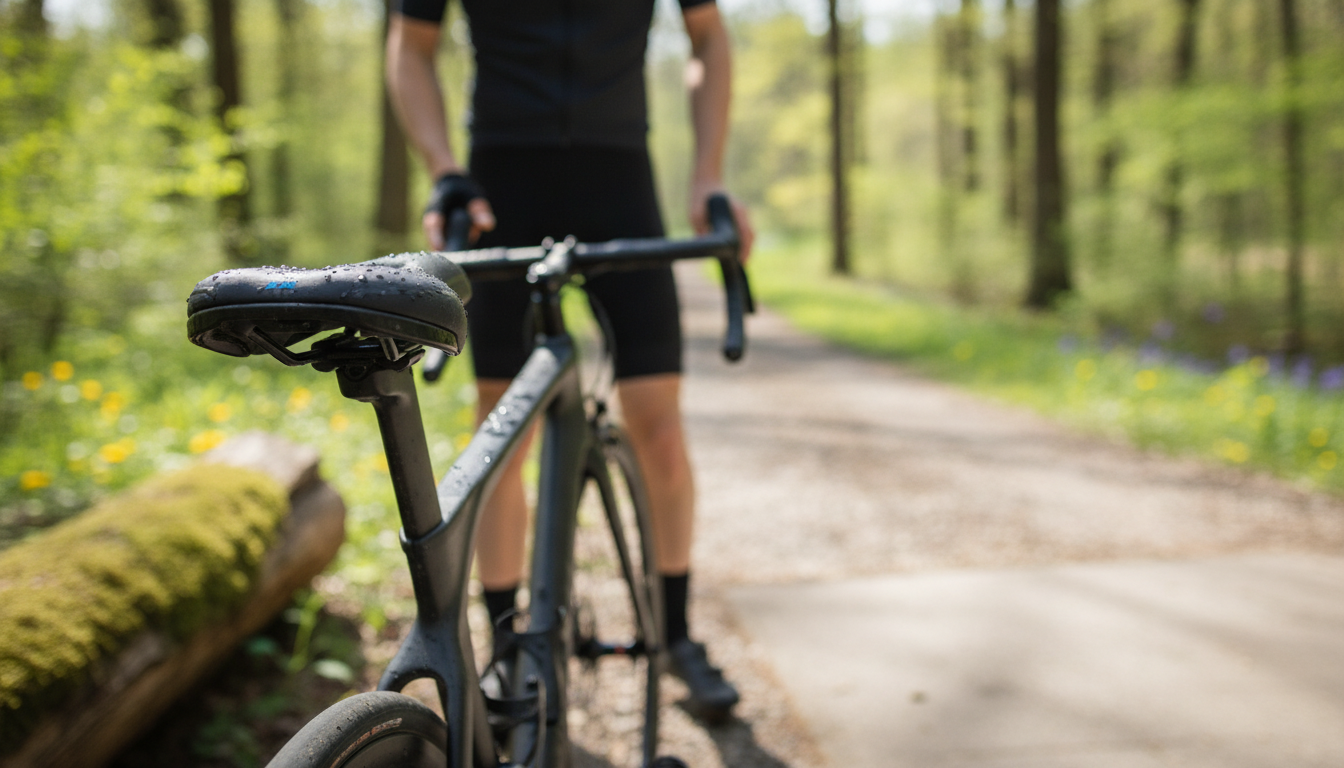
Comfort on the bike often comes down to how well a saddle supports your body over time—especially once the ride goes past the first few miles. While “soft” can feel nice in the parking lot, lasting comfort is usually about stable support, smart pressure relief, and a cover that stays smooth when conditions change. For more guidance, see Polar Pedaling.
- Pressure distribution: A supportive platform under the sit bones helps reduce numbness and hot spots, especially on longer rides.
- Controlled cushioning: Soft-rebound padding can take the sting out of chatter and small bumps without feeling overly squishy when you’re pedaling hard.
- Rider posture match: Mountain and road positions load the saddle differently. Shape, side profile, and any relief channel can matter as much as padding thickness.
- Chafing prevention: A smoother cover and cleanly finished edges help reduce rubbing during high-cadence efforts or frequent position changes.
- Stability: A saddle that holds its shape and stays level supports a steadier pedal stroke, which can reduce fatigue over time.
Breathability, Soft-Rebound Support, and Waterproofing—How They Work Together
A saddle that feels good across seasons has to balance competing needs: ventilation for heat management, cushioning for vibration control, and water protection for wet commutes or post-storm trails. The best builds combine these instead of leaning too far in just one direction. For further reading, see Bike Patrol Uniforms and Equipment: We’ve Come a Long ….
- Breathable zones help reduce sweat buildup on warm rides and during indoor training sessions where airflow is limited.
- Soft-rebound structure aims to return to shape after bumps, helping support remain consistent across long rides.
- Waterproof or water-resistant surfaces help keep the saddle from soaking up water in rain, puddles, or after washing the bike.
- Balanced construction matters: too much sealing can trap heat, while too much ventilation can compromise weather protection—combined designs help cover both.
| Feature | Why it matters | Best for |
|---|---|---|
| Breathable cover/vents | Reduces heat and moisture buildup | Hot climates, indoor training, long climbs |
| Soft-rebound padding | Absorbs vibration while staying supportive | Rough pavement, hardpack trails, mixed terrain |
| Waterproof/water-resistant surface | Prevents soaking and keeps rides more comfortable in wet conditions | Rainy commutes, trail rides after storms |
| Relief channel/pressure zone | Helps reduce pressure on sensitive areas | Long rides, aggressive positions |
Fit Basics: Width, Shape, and Riding Style
Even a high-quality saddle can feel wrong if the width and shape don’t match how your pelvis contacts the bike. Instead of chasing extra padding, start by dialing in support where it counts.
- Start with sit-bone support: Saddles usually feel best when the supportive area matches your sit-bone width. If support is too narrow, pressure can shift into soft tissue; too wide can introduce inner-thigh rubbing.
- MTB vs. road needs: MTB riding often involves more body movement—standing, shifting back on descents, and quick re-centering—so a shape that allows easy repositioning can feel better on technical terrain.
- Road position stability: Road riding typically holds a steadier posture for longer stretches. A shape that supports a consistent pelvic angle can reduce fatigue during long tempo efforts.
- Relief features help more when setup is correct: Channels and pressure zones tend to work best with proper tilt and height, not as a substitute for fit.
Setup Tips to Get the Most Comfort
Small adjustments can make a big difference. Aim for repeatable changes and short test loops so you can isolate what actually improved the feel.
For more detailed, tool-based guidance, see Park Tool’s saddle positioning guide and Sheldon Brown’s practical notes on saddle comfort and fit.
Wet-Weather Riding and Care
Good Upgrades to Pair With a Comfort-Focused Saddle
- Stable pedals: Better grip reduces unwanted foot movement, helping the pelvis stay steady and reducing saddle friction. Consider the Ultralight Non-Slip Aluminum Bike Pedals with Sealed Bearings for a more planted feel.
- Padded cycling shorts: A good chamois can improve comfort on longer rides, especially while you’re dialing in saddle height and tilt.
- Bar tape or grips: If hand discomfort forces you to sit heavier, addressing cockpit comfort can indirectly improve saddle comfort too.
Product Snapshot: Breathable Soft-Rebound Waterproof Bike Saddle
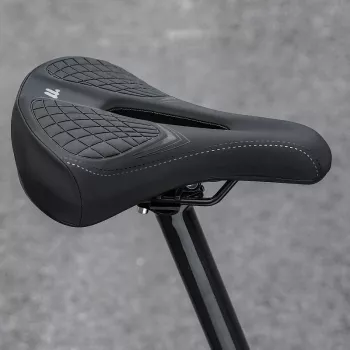
The Breathable Soft-Rebound Waterproof Bike Saddle for MTB & Road Cycling is built for riders who want everyday comfort that still feels supportive when effort increases. The combination of breathable design, rebound-focused cushioning, and wet-weather practicality aims to keep the ride feel consistent across commutes, fitness loops, and longer weekend routes.
| Item | Details |
|---|---|
| Product | Breathable Soft-Rebound Waterproof Bike Saddle for MTB & Road Cycling |
| Price | 41.97 USD |
| Availability | In stock |
| Use | MTB and road cycling |
FAQ
Will a waterproof saddle feel hotter than a standard saddle?
It can, because sealed surfaces may retain more heat, but breathable zones and ventilation features can offset that effect. Clothing choice, ride intensity, and ambient temperature often matter just as much as the cover material.
How do you know if the saddle is the right width?
A good width supports your sit bones without pushing pressure into soft tissue. If it feels too narrow you may notice localized pressure or numbness; if it’s too wide you may get inner-thigh rubbing, though small tilt and height changes can also resolve issues.
What saddle angle helps reduce numbness?
Start with the saddle level, then adjust slightly nose-down in small increments if pressure persists. Avoid tipping too far nose-down, which can cause sliding forward and increase hand pressure.








Leave a comment