Nylon Backpacks: Waterproof or Just Water-Resistant?
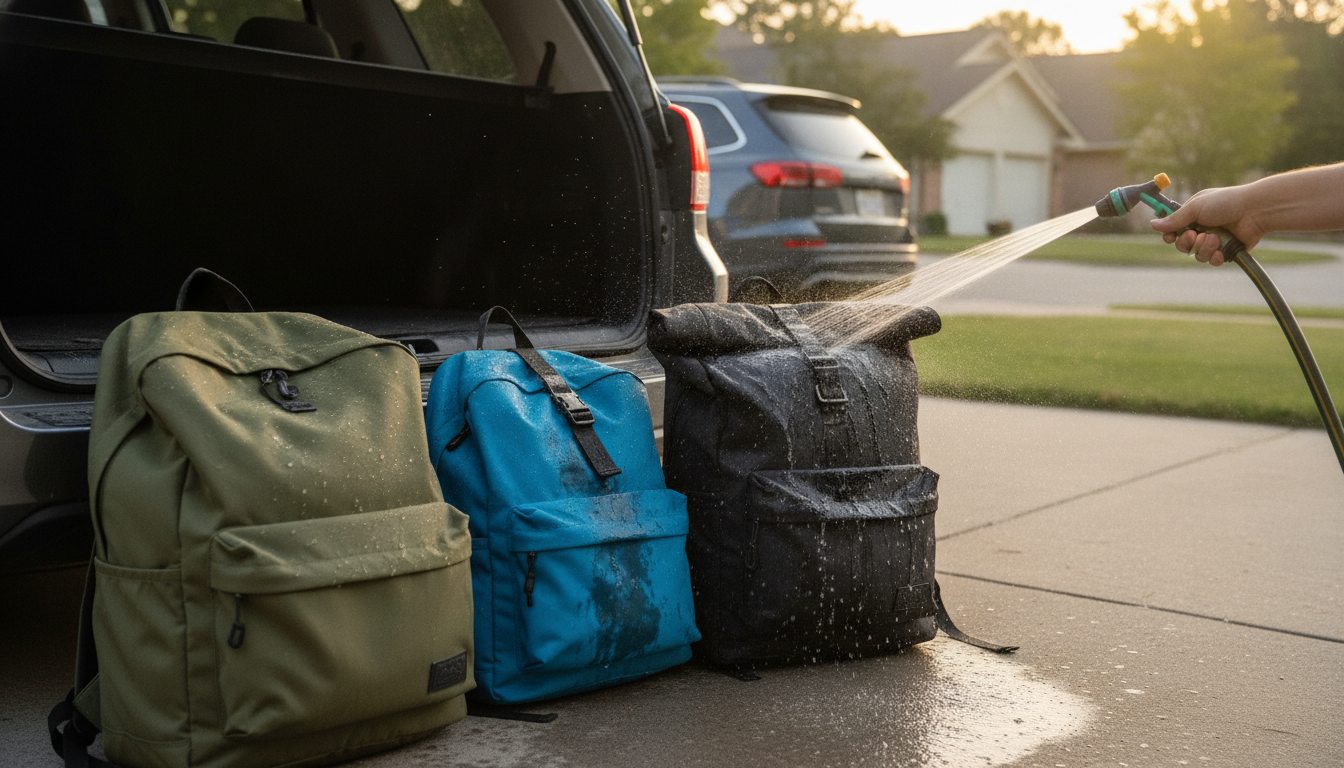
Are nylon backpacks waterproof?
Some nylon backpacks are waterproof, but many are only water-resistant. “Nylon” describes the fabric type, not the level of weather protection. Whether a nylon backpack keeps gear dry depends on the fabric’s coating, the way it’s constructed, and how the seams and zippers are finished.
Waterproof vs. water-resistant nylon
Most everyday nylon backpacks handle light rain because the fabric is tightly woven and often treated with a DWR (durable water repellent) finish. That helps water bead up and roll off—until the fabric “wets out” during longer exposure. A truly waterproof nylon pack typically uses a laminated or heavily coated nylon (such as PU-coated or similar), plus sealed seams and water-blocking closures designed to prevent leakage.
What determines if a nylon backpack will leak
Even when the nylon fabric itself is highly water-resistant, water usually gets in through vulnerable spots: stitching holes, seams, zippers, and the gap around the lid or roll-top closure. Look for taped or welded seams, storm flaps over zippers, coated zippers, and a design that minimizes exposed openings. A rain cover can also make a big difference for commuting or travel.
Best use cases for “regular” nylon backpacks
For school, office commutes, and short walks between buildings, a standard water-resistant nylon backpack is often enough—especially if it has a quality coating and a protected zipper track. For heavy rain, bike commutes, or keeping electronics safe, choose a backpack built and rated for waterproof performance or pair your pack with a cover and internal dry bags.
For a deeper breakdown of coatings, seam construction, and what features matter most, see the full guide here: Waterproof Nylon Laptop Daypack Guide.
For Nylon Backpacks: Waterproof or Just Water-Resistant?, the best answer depends on fit, material, care instructions, and how the product will be used day to day.
FAQ
What’s the difference between a rain cover and a waterproof backpack?
A rain cover blocks water from soaking the outer fabric, but it can shift in wind and doesn’t fully seal openings. A waterproof backpack uses coated materials and sealed seams to prevent water intrusion even during prolonged rain.







Leave a comment