Genuine Leather vs Cow Leather: Which Should You Buy?
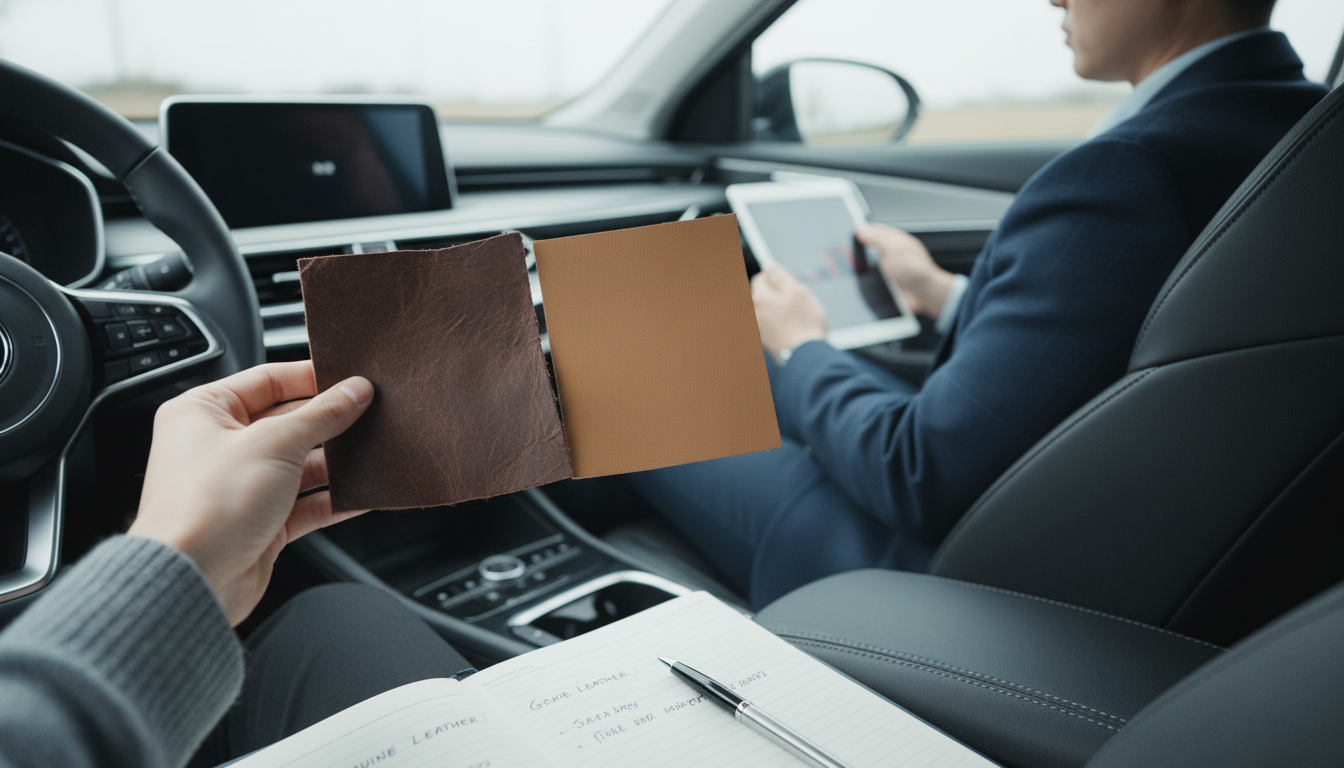
Which is better, genuine leather or cow leather?
Neither is automatically “better”—they describe different things. “Cow leather” (often labeled cowhide) tells you the animal source. “Genuine leather” is a broad label that mainly confirms the material is real leather, but it doesn’t guarantee the leather’s grade, thickness, or durability. For shopping decisions, the more reliable approach is to look for specific details like “full-grain cowhide,” thickness in inches or millimeters, tanning type, and hardware quality.
What “genuine leather” really means
In many product listings, “genuine leather” functions as a minimum standard: it’s not synthetic, but it could be made from various layers of the hide. It may be top-grain, split leather, or leather that’s been heavily finished to look uniform. That can still be perfectly serviceable for everyday accessories, but the label alone doesn’t tell how the leather will age, resist stretching, or handle abrasion.
What “cow leather” tells you
Cow leather is prized because cowhide is widely available, strong, and versatile. When the listing specifies cowhide (especially full-grain cowhide), it often signals a thicker, tougher leather that can break in nicely and develop character over time. However, cow leather can also be split or corrected, so the key is how it’s processed and built into the product—not just the animal source.
Which one should you choose for belts?
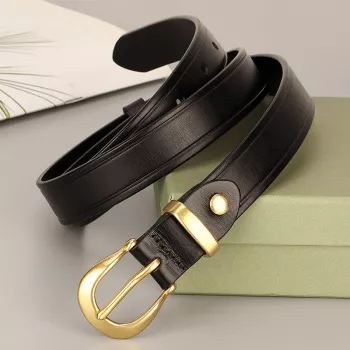
For a belt, durability and structure matter. Look for thick cowhide, clean edge finishing, sturdy stitching (if stitched), and a solid buckle attachment. If you’re comparing a belt described only as “genuine leather” versus one clearly described as thick cowhide, the cowhide option is usually the safer bet for long-term wear and better shape retention.
For a concrete example of what to look for in a sturdy belt—especially thickness, hardware, and wear expectations—see this guide: https://mandalio.com/guide-0-95-inch-cowhide-jeans-belt-women-brass-buckle/.
FAQ
What does full-grain leather mean?
Full-grain leather is made from the outermost layer of the hide and keeps the natural grain intact. It’s typically the most durable and develops a richer patina as it wears.







Leave a comment