Heavy-Duty Flexible Cable Bike Lock for Quick Stops
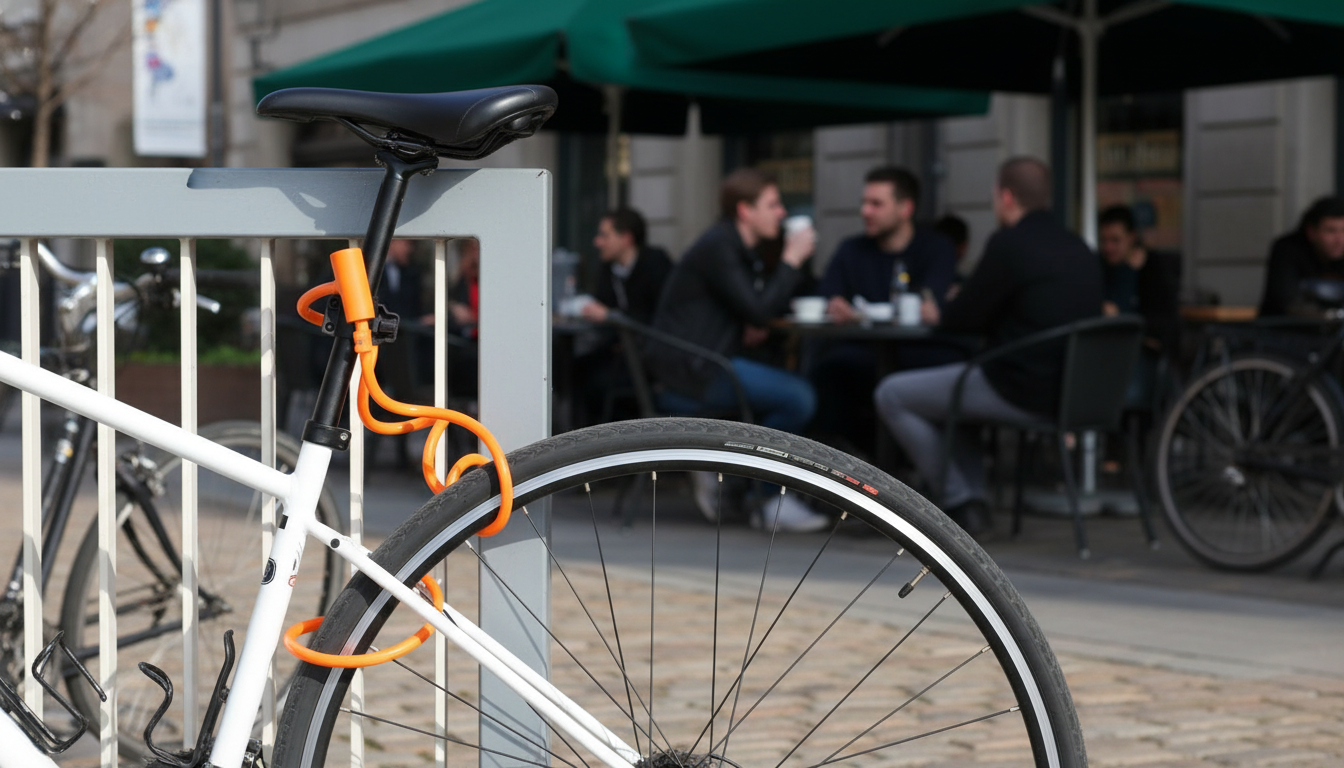
Durable Anti-Theft Bicycle Cable Lock for Everyday Lock-Ups
A good cable lock balances strength, flexibility, and everyday convenience. The Durable Anti-Theft Bicycle Cable Lock – Heavy-Duty, Flexible & Portable is built for quick stops and daily commuting, with a flexible cable that wraps easily around frames, wheels, and fixed objects while helping deter opportunistic theft. For practical theft prevention habits (beyond the lock itself), resources like the National Bike Registry’s theft prevention guide and Bike Index’s locking tips are worth a quick read. For more guidance, see Product Review: Prevent bike theft with these locks (and bits of advice).
What This Cable Lock Is Best For
- Short errands, café stops, and campus parking where a fast, flexible lock-up matters
- Locking through the frame + wheel when a solid anchor point is available
- Pairing with a second lock (U-lock or chain) for higher-risk areas
- Securing helmets, scooters, strollers, or outdoor gear when a rigid lock is awkward
Cable locks shine when you need reach—looping around a thicker post, an oddly shaped rack, or multiple items at once. They’re also a smart “secondary” lock to reduce grab-and-go theft of wheels and accessories. For further reading, see Best Padlocks & Hasps Reviews and specifications – Page 5….
Key Features That Matter in Daily Use
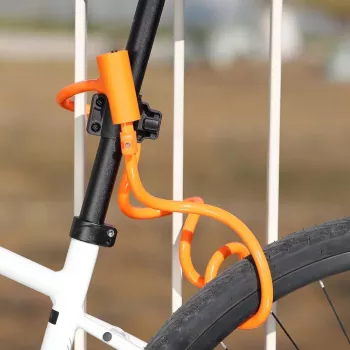
- Flexible cable routing for tight racks and odd-shaped anchor points
- Heavy-duty construction intended to resist casual cutting attempts
- Portable carry approach (coil/roll) that fits bags, baskets, or mounts
- Protective outer layer helps reduce scratching on paint and components
- Simple lock-up flow for quick stops without extra setup
Day-to-day, the “best” lock is often the one that actually gets used. A portable, flexible cable is easy to keep with you, and quick to thread through a frame triangle or rear wheel—especially when you’re juggling a backpack, coffee, or groceries.
Cable Locks vs Other Lock Types
Cable locks prioritize flexibility and reach; U-locks and chains prioritize maximum resistance. A common approach for higher theft risk is to use a cable for wheels/accessories and a U-lock or chain for the frame. Choosing the right lock comes down to parking duration, location, and the anchor points available where you ride.
Quick comparison of common bike lock types
| Lock type | Strength against cutting | Flexibility/reach | Typical best use |
|---|---|---|---|
| Cable lock | Moderate (varies by thickness and construction) | High | Quick stops, securing wheels/accessories, awkward racks |
| U-lock | High | Low–Medium | Locking frame to a solid rack for city parking |
| Chain lock | High (weight-dependent) | Medium–High | Longer parking, larger anchor points, e-bikes |
| Folding lock | Medium–High | Medium | Compact carry with decent security for commuting |
How to Lock a Bike More Securely (Even With a Cable)
- Always lock to an immovable object (bike rack bolted to the ground, solid metal post)
- Route the cable through the frame and at least one wheel; prioritize the rear wheel if choosing one
- Keep the lock off the ground to reduce leverage for cutting tools
- Minimize slack so the cable can’t be easily repositioned for attacks
- Park in visible, high-traffic areas and avoid leaving the bike overnight with only a cable lock
A helpful mental checklist: anchor first, then frame, then rear wheel. If you’re adding a second lock, make the stronger lock your “frame-to-anchor” connection and use the cable to catch the front wheel, saddle rails, or accessories.
Portability and Everyday Convenience
- Flexible coil/loop storage makes it easy to pack for commuting or travel
- Useful as a secondary lock to secure helmets, bags, or quick-release components
- Good option for shared households where multiple bikes need occasional, fast locking
Flexibility is also convenience: you can adapt to whatever you find outside a store—wide posts, railings, or racks with limited openings—without fighting the lock’s shape. That matters when you only have a minute and want a clean, repeatable routine.
Care and Maintenance
- Wipe the cable and lock body clean after rain or road salt exposure
- Avoid forcing the locking mechanism; keep it dry when possible
- Store indoors when not in use to reduce corrosion and extend lifespan
- Inspect the cable jacket periodically to help prevent frame scratches
If the cable’s outer coating picks up grit, it can act like sandpaper over time. A quick wipe-down and mindful routing around painted tubes helps keep your frame looking better, longer.
Product Details and Buying Notes
If a flexible, quick lock-up fits your routine, the Durable Anti-Theft Bicycle Cable Lock – Heavy-Duty, Flexible & Portable is in stock and ready to ship. It’s a practical choice for riders who want fast stops and adaptable reach for everyday parking.
Related Cycling Essentials That Pair Well
- More stable footing: Ultralight Non-Slip Aluminum Bike Pedals with Sealed Bearings help improve control in wet conditions and reduce foot slip.
- More reliable rides: 160 PSI High-Pressure Bike & Motorcycle Tire Pump with Dual Valve Gauge supports consistent tire pressure for commuting and weekend rides.
FAQ
Is a cable lock enough to prevent bike theft?
A cable lock can deter opportunistic theft and works well for short stops in lower-risk areas. For longer parking or higher-risk locations, pair a cable with a U-lock or chain and lock the frame to a solid, immovable object.
What is the best way to lock the frame and wheels with a cable lock?
Lock to a secure anchor point first, then route the cable through the frame and the rear wheel (and the front wheel if possible). Pull out slack and keep the lock off the ground to reduce leverage and make tampering harder.
Will a cable lock scratch the bike frame?
Protective coatings help, but trapped grit can still cause scuffs. Keep the cable clean, avoid dragging it on the ground, and place it carefully around painted tubes—especially on commutes in rain or dusty conditions.









Leave a comment