Ultra-Light Breathable No-Pull Harness for Small Dogs
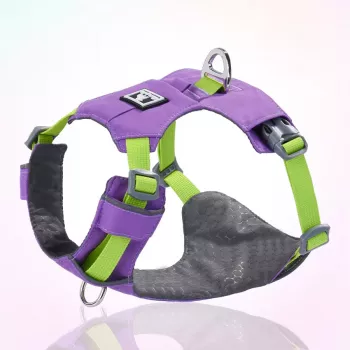
Ultra-Light No-Pull Breathable Dog Harness for Small & Medium Dogs
An ultra-light, breathable harness can make daily walks easier on both dog and handler—especially for small and medium breeds that overheat easily or dislike bulky gear. The right design helps reduce pulling, supports comfortable movement, and keeps pressure off the neck while staying secure and easy to put on.
What Makes an Ultra-Light, Breathable Harness Different
Not all harnesses feel the same to a dog. Ultra-light designs focus on reducing bulk while keeping contact points comfortable and stable.
- Low-bulk construction helps reduce “gear fatigue” for dogs that dislike heavy straps or stiff padding.
- Breathable materials can improve comfort in warm weather and during longer walks by promoting airflow.
- Thoughtful chest and shoulder shaping supports a natural stride without rubbing near the front legs.
- Better proportion for smaller bodies since thick, tactical-style harnesses can feel overwhelming on compact frames.
For general harness guidance and fit considerations, the American Kennel Club’s overview is a helpful reference: How to Choose the Best Harness for Your Dog.
No-Pull Design Basics (And What to Expect on Walks)
A no-pull harness isn’t a “magic off switch” for pulling—its job is to change how force is applied so forward momentum is less rewarding and easier to manage. Results usually show up faster when the handler is consistent and the dog gets clear feedback.
- Redirection over restriction: Most no-pull styles redirect force rather than instantly stopping pulling.
- Front-clip control: When a front clip is available, it can help turn the dog back toward you during lunges, reducing straight-line drive.
- Back-clip comfort: A back clip can feel more natural for calm walkers and is commonly preferred for jogging or relaxed strolls.
- Fit affects function: If the harness shifts sideways under tension, the no-pull effect is reduced and rubbing becomes more likely.
Pairing the right gear with clear leash manners is key. The ASPCA’s loose-leash walking tips provide an excellent training framework: Loose Leash Walking.
Comfort and Breathability: Preventing Rubs and Overheating
Small and medium dogs can be surprisingly sensitive to hot spots—especially behind the front legs and along the chest line. Comfort features matter most on longer walks, during training sessions with lots of stops/starts, or when your dog’s coat is short and the skin is more exposed.
- Smooth edges and soft contact points help reduce chafing along the chest and shoulders.
- Armpit clearance is crucial; rubbing often happens there after 15–30 minutes of steady movement.
- Breathable, mesh-like panels can reduce heat buildup compared with solid, non-vented fabric.
- Warm-climate strategy: Lighter colors, shaded routes, and frequent water breaks help—even breathable gear warms up in direct sun.
For hot-weather safety reminders (including heat stress warning signs), see AVMA guidance: Warm Weather Pet Safety.
Getting the Right Fit for Small & Medium Dogs
Fit is where comfort, safety, and control all meet. Take a few minutes to measure and adjust—then verify the fit during movement, not just while your dog is standing still.
Fit Check Checklist
| Check | What to Look For | Quick Fix |
|---|---|---|
| Chest strap position | Sits on the sternum/ribcage, not the throat | Loosen neck area and reposition lower on chest |
| Armpit clearance | No rubbing when walking or trotting | Adjust side straps; ensure strap line sits behind front legs |
| Harness stability | Doesn’t twist sideways when the leash is clipped | Tighten evenly on both sides; verify correct size |
| Escape resistance | Dog can’t back out when gently guided backward | Snug the chest/neck area within comfort limits |
Safety Features That Matter on Real Walks
Everyday Use: Training, Walking, and Travel
Quick Comparison: Harness vs Collar vs Head Halter
| Option | Best For | Potential Downsides |
|---|---|---|
| Breathable no-pull harness | Daily walks, comfort, reducing pulling force on the neck | Needs correct fit; may take time to see training results |
| Flat collar | ID tags, calm walkers, quick on/off | Neck pressure if dog pulls; not ideal for strong pullers |
| Head halter | Extra control for large/strong pullers with proper training | Some dogs resist it; improper use can strain neck |
Care and Maintenance for Lightweight Materials
Product Spotlight: Ultra-Light No-Pull Breathable Dog Harness
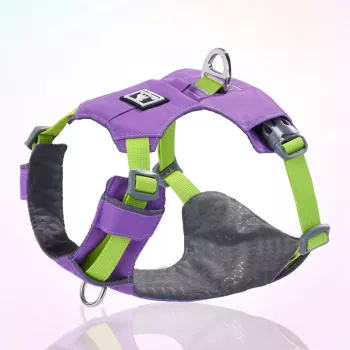
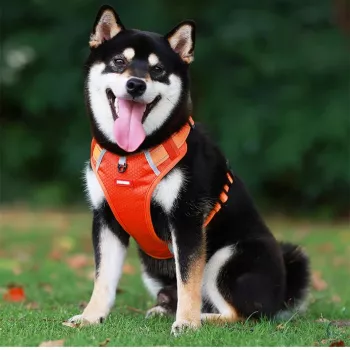
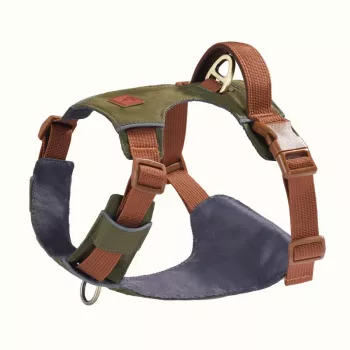
If daily walks call for a lighter, cooler feel without giving up control, consider the Ultra-Light No-Pull Breathable Dog Harness for Small & Medium Dogs. It’s designed to support comfortable movement and airflow for routine wear, while helping manage pulling pressure in a way that keeps strain off the neck compared with collar-only walking.
At-a-Glance
| Detail | Value |
|---|---|
| Product | Ultra-Light No-Pull Breathable Dog Harness for Small & Medium Dogs |
| Price | 37.67 USD |
| Availability | In stock |
| Where to buy | Mandalio |
Extra Everyday Picks (Nice to Have on Walk Days)
- Soft Leather Retro Tote Bag for Women for carrying a leash, treats, and a small water bottle without switching bags.
- Large-Capacity Multi-Function Diaper Backpack for Everyday Parenting for hands-free storage when juggling family essentials plus pet gear.
FAQ
Are no-pull harnesses safe for everyday walks?
Yes, a properly fitted no-pull harness is generally safe for daily use. Prioritize good armpit clearance, re-check strap tension after a few walks, and avoid sudden leash jerks by handling the leash smoothly.
How tight should a dog harness be?
Use the two-finger rule: you should be able to slide two fingers under the straps without forcing it. Adjust evenly on both sides; too tight can restrict shoulder movement or cause rubbing, while too loose can twist and increase escape risk.
Can a breathable harness help in hot weather?
Breathable materials can improve comfort by allowing more airflow, but they don’t eliminate heat risk. Choose shaded routes, offer water breaks, and watch for overheating signs like heavy panting, slowing down, or seeking cool surfaces.







Leave a comment