Y2K Style in 2026: Wearable Trends, Outfits, Tips
Y2K Reloaded: Early 2000s Style Comeback—Trends, Outfits, and Modern Styling
Early 2000s style is back with a cleaner, more wearable edge: think low-rise-inspired silhouettes balanced with better tailoring, playful accessories grounded by neutrals, and glossy textures paired with everyday basics. The goal in 2026 isn’t recreating a full throwback look—it’s borrowing the fun parts (shine, cheeky proportions, and bold accessories) and pairing them with polished staples so it feels current, not costume. For more guidance, see Y2K Fashion 101: How the Millennium Started Trending All Over Again.
What “Y2K” Looks Like in 2026 (and Why It Works Again)
The core Y2K vibe is playful, shiny, logo-forward, and slightly futuristic—usually grounded by casual basics like denim, jersey, and simple tanks. Today’s update is more intentional: fewer layers of “everything at once,” cleaner proportions, and simpler color stories that photograph well and wear comfortably. For further reading, see Top 10 Y2K Trends: Reviving 2000s Fashion In 2025 – Heuritech.
The easiest mindset shift: choose one throwback hero (a bag, sunglasses, skirt, or shoe), then build the rest of the outfit with modern basics—straight denim, a crisp button-down, a tailored blazer, or sleek sneakers. For a deeper dive into the runway-to-real-life evolution of Y2K style, see Vogue’s Y2K trend coverage.
The Y2K Staples That Keep Returning
Mini skirts and micro silhouettes
Micro lengths are back, but the 2026 way to wear them is balanced: oversized knits, structured jackets, and opaque tights add coverage while keeping the silhouette sharp.
Low-rise influence (without the discomfort)
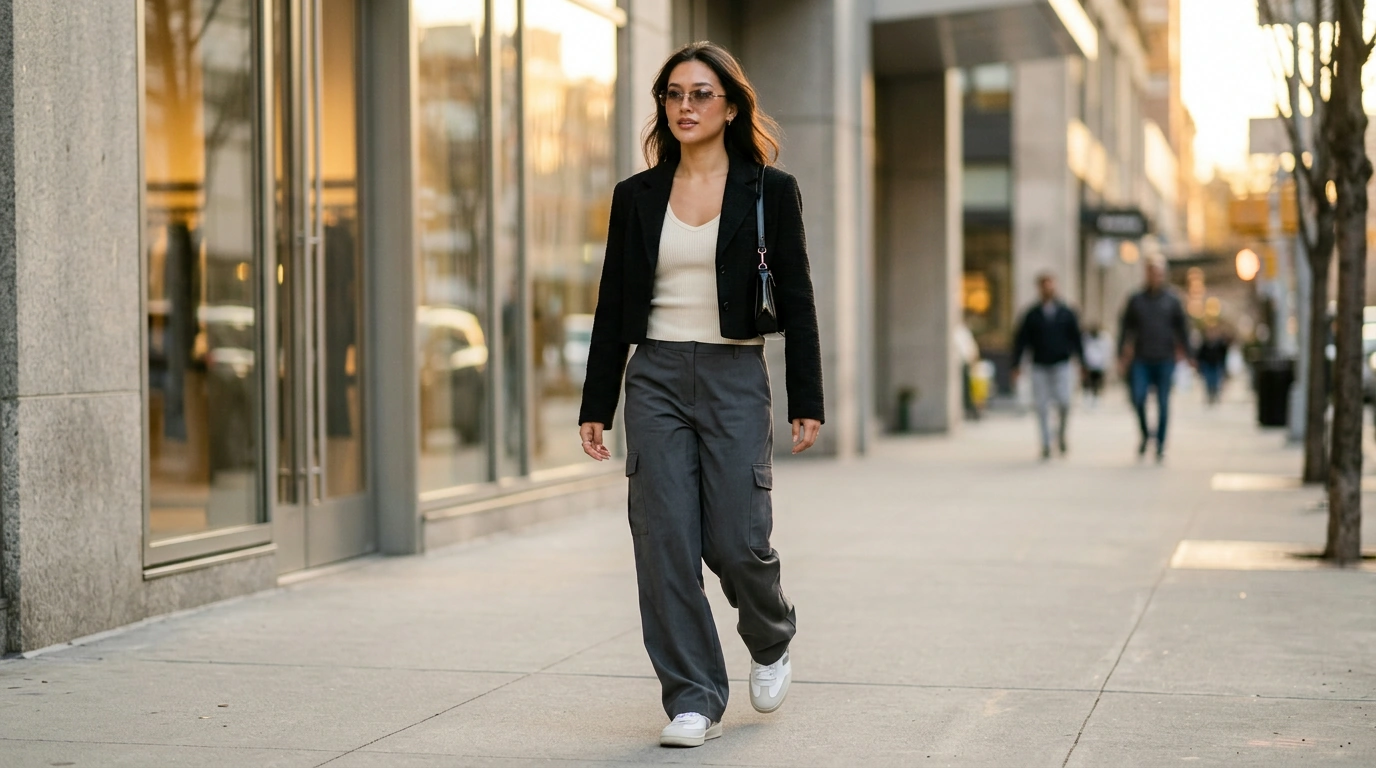
Instead of truly low-rise waistbands, look for mid-rise relaxed denim, wide-leg cargos, hip-slung fits that don’t pinch, or fold-over waistbands that hint at the era without fighting your day.
Cargos and utility
Wide-leg cargos pair best with fitted tops—ribbed tanks, baby tees, or cropped cardigans—so the outfit reads intentional rather than bulky.
Velour, ribbed knits, and glossy fabrics
Texture is a shortcut to Y2K, but one statement texture per outfit is the modern rule. Try a satin cami with matte denim, or a ribbed knit set with minimal accessories.
Baby tees, halter tops, and camis
These pieces feel more grown-up when layered under a blazer or denim jacket, or when paired with a longer bottom (straight jeans, maxi skirt, or tailored trousers).
Modern Styling Rules: Make It Feel Current
- Keep the color palette tight: pick 2–3 core colors (black/white plus one pop like pink, lime, or silver).
- Update the fit: pair one fitted item with one relaxed item (tight top + baggy pants, or mini skirt + oversized knit).
- Choose one signature accessory: tinted lenses, a shoulder bag, or a belt—then stop there.
- Lean on quality basics: clean sneakers, a sharp shoulder bag, and well-fitting denim prevent “costume” energy.
- Use a subtle beauty cue: glossy lips, clean liner, or a slick bun complements Y2K pieces without overdoing it.
Trend-to-Now Cheat Sheet
Use this quick guide to translate throwback pieces into outfits that suit everyday life, work, and going out.
| Throwback piece | Modern swap | Easy outfit formula | Best for |
|---|---|---|---|
| Low-rise jeans | Mid-rise relaxed denim or wide-leg cargos | Fitted tank + open button-down + clean sneakers | Everyday casual |
| Mini skirt | Mini with opaque tights or longer-line blazer | Mini + oversized blazer + simple tee + boots | Night out / brunch |
| Shiny fabric (satin/metallic) | One glossy item + matte basics | Satin cami + straight jeans + minimal jewelry | Date night |
| Logo moment | Single logo accessory or subtle graphic | Neutral outfit + one branded cap or tee | Street style |
| Tiny shoulder bag | Retro tote or roomier shoulder bag | Cargo pants + baby tee + structured bag | Commute / campus |
Outfit Inspiration: 8 Wearable Y2K Formulas
- Clean Y2K Casual: ribbed tank + wide-leg cargos + simple sneaker + sleek tote.
- Denim-First: straight jeans + baby tee + lightweight jacket + tinted sunglasses.
- Soft Glam: satin cami + relaxed blazer + mid-rise jeans + kitten heel.
- Utility Pop: neutral cargos + bright cropped cardigan + minimal hoops.
- Sporty Throwback: track jacket + fitted tee + mini skirt + crew socks + sneaker.
- Night-Out Minimal: black mini + oversized leather-look layer + small bag + pointed toe.
- Office-Appropriate Nod: tailored trousers + simple knit top + one Y2K accessory (tinted lenses or a baguette bag).
- Cold-Weather Y2K: mini + tights + chunky knit + boots; add a structured bag to modernize.
Accessories That Do the Heavy Lifting
If you want the fastest route to the era without changing your whole closet, accessories carry the look.
For broader context on the design language that feeds the era’s “futuristic” vibe (sleek materials, tech-forward silhouettes, and pop-culture influence), the Metropolitan Museum of Art’s Timeline of Art History is a helpful reference point.
A Quick Style Upgrade: One Guide + One Bag
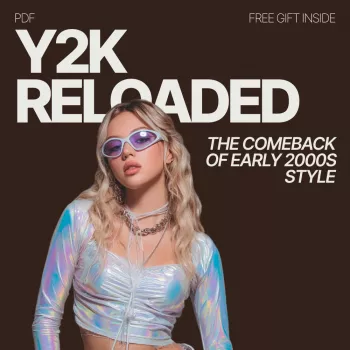
- Y2K Reloaded: The Comeback of Early 2000s Style – Trend Guide helps narrow the choices so the look stays modern and wearable.
- Soft Leather Retro Tote Bag for Women adds an instant early-2000s signal to basics like jeans, tanks, and blazers—without needing a full outfit overhaul.
FAQ
How can Y2K style look modern instead of like a costume?
Stick to one throwback piece at a time and keep the rest of the outfit clean and current (tailored layers, updated denim cuts, and a limited 2–3 color palette). Add one signature accessory, then keep everything else minimal and well-fitted.
What are the easiest Y2K pieces to start with?
Start with low-risk add-ons like a shoulder/retro bag or tinted sunglasses, then move into easy staples like cargos, a baby tee, or a satin cami. Accessories change the vibe instantly while still working with the basics you already wear.
Can Y2K outfits work for work or school?
Yes—balance is the difference-maker: tailored trousers + a simple knit top + one Y2K accessory works for most settings, and a mini with opaque tights + a longer blazer can look polished instead of revealing. Keep logos subtle and silhouettes intentional.






Leave a comment