Pet Travel Checklist: Safe Road Trips With Dogs & Cats
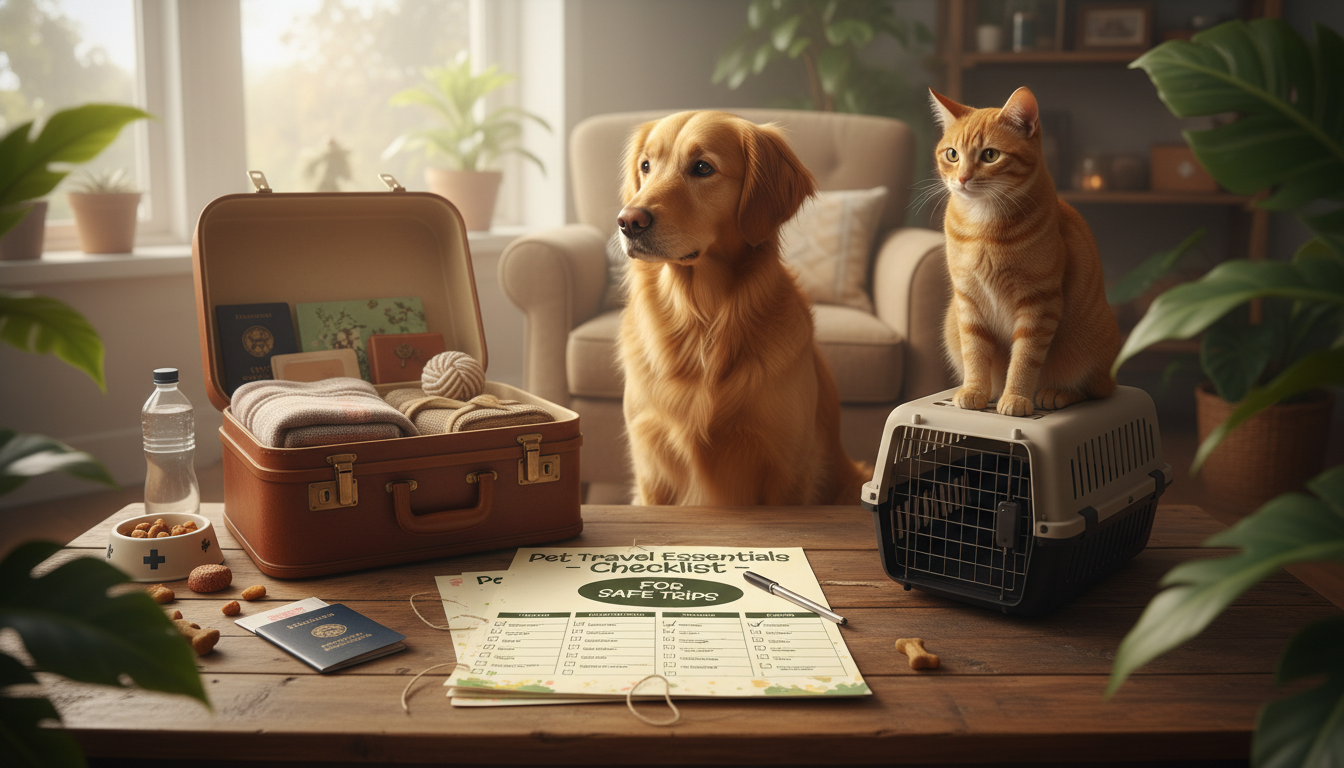
Pet Travel Essentials Checklist for Safe Trips: Printable Planner for Road Trips and Vacations With Dogs and Cats
Traveling with pets goes smoothly when the right items are packed, safety steps are handled early, and routines are protected on the road. Use the checklist below to plan ahead for dogs and cats, minimize stress during transit, and arrive with everything needed for a safe, comfortable stay.
If you want a ready-to-print system you can reuse for every trip, keep a copy of the Printable Pet Travel Essentials Checklist and Planner in your car and save a digital version on your phone for quick updates.
Before Leaving: Safety, Documents, and Trip Planning
Most travel problems happen before the car ever moves: missing meds, outdated ID details, or lodging rules you didn’t know existed. A short planning window prevents long, stressful detours later.
- Confirm pet identification: updated collar tag, microchip registration details, and a current photo stored on your phone.
- Schedule a pre-trip wellness check if your pet has chronic conditions, is traveling long distances, or is prone to motion sickness.
- Gather documents: rabies/vaccination records, proof of flea/tick prevention, prescription info, and any destination-required forms.
- Research destination rules: leash laws, pet limits, breed restrictions, and whether cats must remain indoors at the lodging.
- Map pet-friendly stops: rest areas, parks, and 24/7 emergency veterinary clinics along the route and near your destination.
- Do a trial run: short rides for anxious pets; practice wearing a harness, riding in a carrier, or relaxing in a crate.
For general travel guidance and safety reminders, see the American Veterinary Medical Association (AVMA) tips on traveling with your pet.
Quick Pre-Trip Timeline
| When | Do This | Why It Matters |
|---|---|---|
| 7–14 days before | Vet check if needed; refill meds; update ID tags and microchip info | Avoid last-minute health issues and missing prescriptions |
| 3–5 days before | Wash bedding; prep travel kit; confirm lodging rules and pet fees | Reduces stress and prevents surprise restrictions |
| 1–2 days before | Pack food, water plan, and cleaning supplies; charge trackers; print documents | Prevents forgotten essentials and improves safety |
| Travel day | Feed lightly; secure pet restraint; plan breaks; keep docs accessible | Supports comfort and reduces risk during transit |
Packing List: Daily Care Essentials
Daily-care items are the difference between “we’ll make do” and “everyone stays calm.” Stick to your pet’s normal routine as closely as possible.
- Food and treats: pack extra for delays; bring the usual diet to avoid stomach upset; include a measuring scoop.
- Water strategy: bottled water or a known-safe source; collapsible bowls; consider a travel water bottle for dogs.
- Routine items: leash, harness, waste bags, litter and scoop for cats, and familiar toys to lower anxiety.
- Sleeping comfort: a blanket or bed that smells like home; a towel for muddy paws; optional crate mat.
- Grooming basics: brush/comb, nail clippers, pet-safe wipes, and a small towel for quick cleanups.
Tip: If you like keeping everything in one grab-and-go organizer, a structured bag with multiple compartments helps separate food, clean-up supplies, and documents. Some travelers repurpose an everyday organizer like the Large-Capacity Multi-Function Diaper Backpack for Everyday Parenting as a dedicated “pet travel bag” for the car.
Safety Gear for Car Travel and Hotel Stays
Car safety is the non-negotiable category. A loose pet can be injured in sudden stops and can distract the driver at the worst possible moment.
Health Kit: Medications, First Aid, and Calm-Down Tools
For destination health reminders and disease-prevention basics, review the CDC Healthy Pets guidance before you travel across state lines or into high-tick areas.
Clean-Up and Damage Control Essentials
Road Trip Routine: Breaks, Feeding, and Temperature Safety
Hot-weather risk rises fast in parked cars; the ASPCA hot weather safety tips are a helpful refresher before summer travel.
Arrival Checklist: Settling In Without Stress
Printable Pet Travel Planner: How to Use a Checklist That Actually Gets Finished
To save time each time you travel, keep your master list in the Pet Travel Essentials Checklist for Safe Trips and only update the trip dates, medication counts, and destination rules.
Travel-Day Quick Access Pouch
| Item | Pack This | Notes |
|---|---|---|
| Restraint | Leash + harness (or carrier latch check) | Backup slip lead recommended |
| Water | Bottle + collapsible bowl | Offer small sips at stops |
| Clean-up | Wipes + bags + paper towels | Add enzyme spray for longer trips |
| Health | Daily meds + a few doses extra | Keep out of hot/cold extremes |
| Comfort | Small toy/blanket | Choose something familiar and washable |
FAQ
What should be packed for a pet-friendly road trip with a dog or cat?
Pack identification and documents, food and water supplies, a safe restraint (secured carrier/crate or car harness), medications with a small first-aid kit, clean-up supplies, and comfort items like familiar bedding. Add destination basics such as a backup leash and updated tags.
How often should pets take breaks during a long drive?
Most dogs do best with a break every 2–3 hours for water and a short walk. Cats often prefer fewer transitions, so keep stops calm and brief while offering water and checking the litter setup as needed.
Is it safe to let a pet ride loose in the car?
No. A loose pet can be injured during sudden stops and can distract the driver, increasing risk for everyone. Use a properly fitted car harness for dogs or a secured crate/carrier for dogs and cats.











Leave a comment