Deep Blue Fleece-Lined Boys Coat: Warm Autumn to Winter
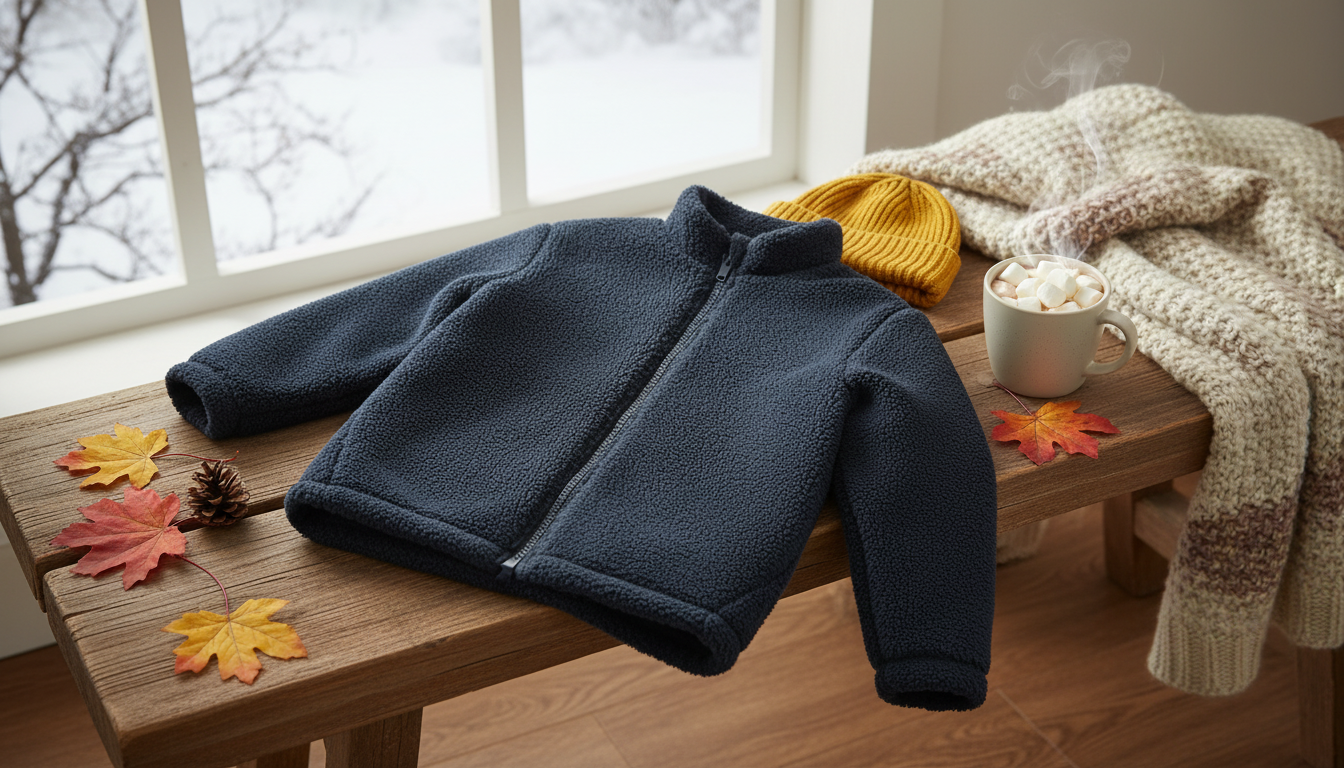
Warm Deep Blue Fleece-Lined Boys Coat for Autumn and Winter
A dependable cold-season coat helps kids stay comfortable from crisp morning school runs to windy playground time. This deep blue fleece-lined boys coat is designed for autumn-to-winter layering, offering cozy warmth without making movement feel restricted. Below is a practical breakdown of warmth, comfort, sizing, care, and when to reach for heavier outerwear.
What Makes a Good Cold-Season Coat for Kids
Kids’ outerwear has a tougher job than adult jackets: it has to stay warm, handle constant motion, and survive backpacks, bus seats, and playground scrapes. When choosing a cold-season coat, these are the features that tend to matter most day after day.
- Warmth where it counts: Insulated or fleece-lined interiors help trap heat during cool-to-cold days.
- Comfort for daily wear: A soft lining reduces itchiness and makes it easier for kids to keep the coat on.
- Room to layer: Enough space for a sweater or hoodie without feeling bulky at the shoulders.
- Easy on and off: Kid-friendly closures and a comfortable collar help with busy school routines.
- Practical durability: The outer fabric should handle everyday friction (backpacks, car seats, and playground use).
Featured Coat: Deep Blue Fleece-Lined Warmth for Autumn and Winter
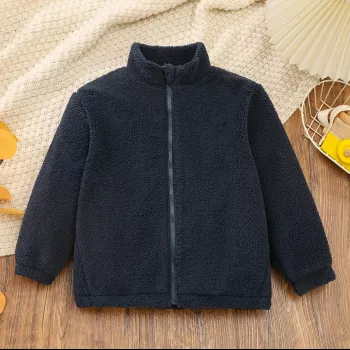
If you’re looking for a simple, reliable layer for the season, the Warm Deep Blue Fleece-Lined Boys Coat for Autumn and Winter is built for the in-between months and the colder stretch that follows.
- Color and style: Deep blue pairs easily with school uniforms, jeans, or joggers, and it looks polished without trying too hard.
- Fleece-lined interior: Designed for cozy comfort on brisk fall days and colder winter moments.
- Everyday versatility: Works for commuting, recess, outdoor errands, and weekend activities.
- Value-focused option: Budget-friendly seasonal outfitting while still prioritizing warmth for regular use.
- Best use case: Ideal for cool-to-cold conditions; for extreme wind or wet snow days, add layers or choose a more weather-sealed outer shell.
For families planning day-to-day outfits, a fleece-lined coat is often the “grab-and-go” option—warm enough for most routines, not so heavy that it becomes a fight to wear.
Warmth and Layering Guide (Autumn to Winter)
Layering is what keeps a coat useful across changing temperatures, especially when kids bounce between heated classrooms and outdoor play. A practical rule: dress so your child is comfortable outside, then make sure they can quickly remove a layer indoors.
- Mild cool days: The coat over a long-sleeve top is often enough for active play.
- Cold mornings and evenings: Add a mid-layer (sweater or fleece) to keep warmth steady without overheating.
- Windy days: Prioritize neck coverage and consider a hat; wind can make temperatures feel significantly colder (see the NOAA Wind Chill Chart for a helpful reference).
- Wet conditions: If precipitation is likely, pair with an umbrella or add a water-resistant outer layer depending on your climate.
- School-day flexibility: Choose layers that are easy to remove and re-wear without fuss.
Quick Layering Suggestions by Typical Conditions
| Typical conditions | Recommended layers under the coat | Helpful accessories |
|---|---|---|
| Crisp autumn (cool, dry) | Long-sleeve shirt | Light beanie (optional) |
| Cold day (steady chill) | Long-sleeve shirt + sweater/hoodie | Beanie + gloves |
| Windy cold (feels colder than the thermometer) | Base layer + warm mid-layer | Beanie + neck warmer |
| Cold with light moisture | Base layer + mid-layer (avoid heavy cotton) | Hat + water-resistant footwear |
Sizing and Fit Tips for Active Kids
A warm coat won’t get worn if it feels stiff or tight. For kids, fit should support movement first—running, climbing, reaching, and sitting comfortably in the car or classroom.
Comfort, Safety, and Everyday Practicality
- Comfort for long wear: Fleece lining can reduce that “cold shock” feeling when stepping outside.
- School readiness: Easy closures support independence during busy mornings and recess transitions.
- Outdoor safety basics: In cold conditions, protect extremities first (hands and ears) and watch for early signs of chill; the American Academy of Pediatrics winter safety tips are a solid checklist for families.
- Visibility: Deep colors look classic; consider adding a reflective accessory (clip, patch, or backpack tag) for darker winter afternoons.
- Activity balance: Kids running around may heat up quickly—removable layers help prevent sweating, which can lead to feeling colder later.
Care and Storage for a Longer-Lasting Coat
When to Choose Something Heavier
Also Handy for Busy Days Out
- Large-Capacity Multi-Function Diaper Backpack for Everyday Parenting for hands-free storage when you’re juggling layers, snacks, and extra gloves.
- 160 PSI High-Pressure Bike & Motorcycle Tire Pump with Dual Valve Gauge for keeping tires ready when fall rides and winter commuting demand reliable pressure.
- Ultralight Non-Slip Aluminum Bike Pedals with Sealed Bearings as a traction-focused upgrade for riders who stay active into cooler months.
FAQ
Is a fleece-lined coat warm enough for winter?
Often yes for everyday winter days, especially when paired with a sweater or hoodie underneath. For extreme cold, strong wind, or long outdoor exposure, add layers and consider a more wind- and weather-resistant outer shell.
How should a boys coat fit for layering?
It should allow comfortable shoulder and arm movement over a mid-layer without feeling tight in the chest. Sleeves should cover wrists without swallowing hands, and the collar should sit comfortably without rubbing.
What’s the best way to care for a fleece-lined coat?
Use the care label as the rule. In general, gentler wash cycles and avoiding excessive heat can help preserve lining softness and the coat’s shape, and spot-cleaning can reduce how often full washes are needed.










Leave a comment