Cozy Leopard Plush Pet Coat: Warm Layer for Dogs & Cats
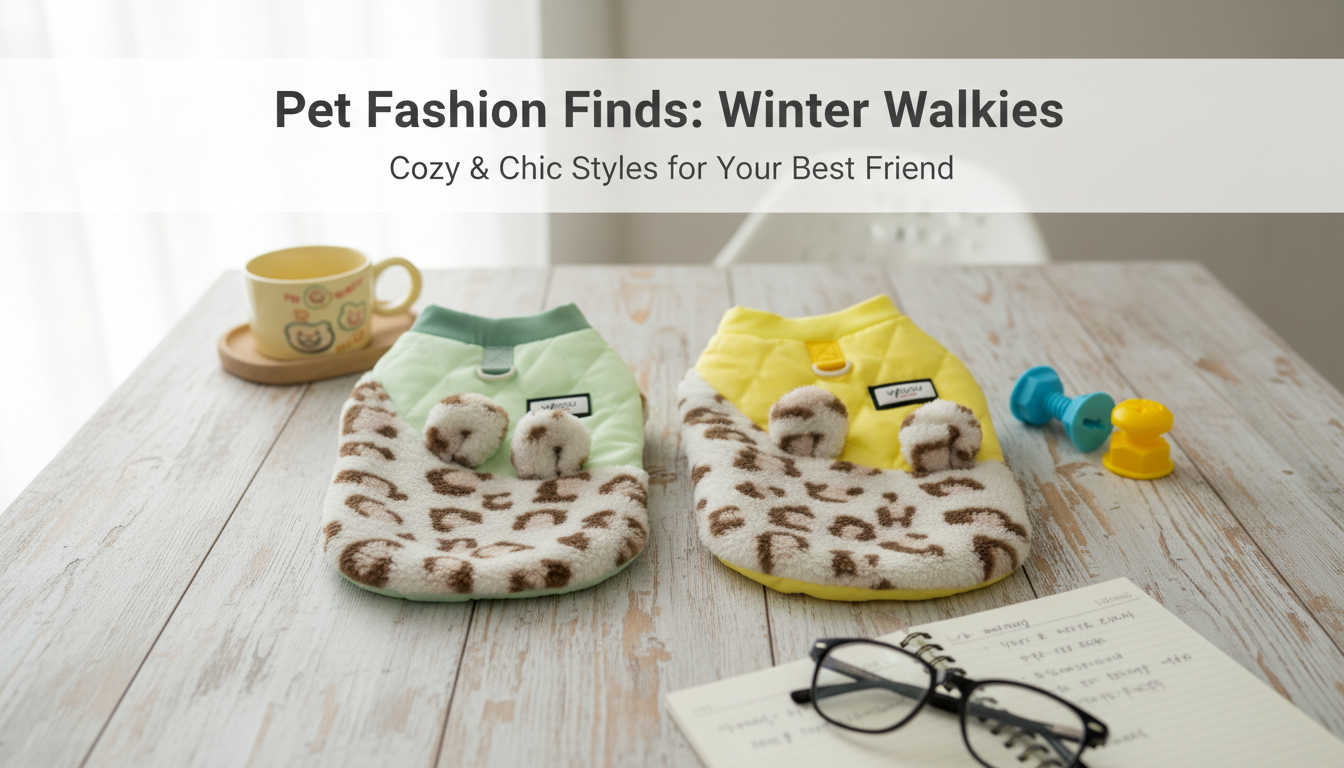
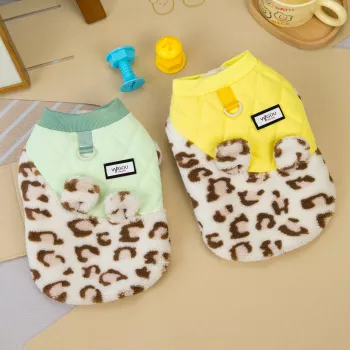
Cozy Leopard Plush Pet Coat for Dogs & Cats
A warm, plush coat can make chilly walks and cool indoor drafts more comfortable for pets—especially small dogs, short-haired breeds, seniors, and cats that enjoy supervised outdoor time. The Cozy Leopard Plush Pet Coat is designed to add cozy insulation while keeping movement easy for everyday wear, with a fun leopard look that reads as a practical layer rather than a costume.
What This Plush Coat Is Made For
Some pets handle cold weather effortlessly, while others start shivering the moment the temperature dips or the heat kicks on indoors. This plush coat is best thought of as an easy, grab-and-go layer for everyday situations where a little extra warmth makes a noticeable difference.
- Adds warmth for cool mornings, breezy evenings, and air-conditioned homes
- Comfortable option for short-haired pets and those that get cold quickly
- Useful for quick potty breaks, short walks, and car rides
- Fun leopard look that works as a practical layer rather than a costume
For seasonal safety reminders—like limiting time outdoors during extreme cold and watching for signs of discomfort—authoritative guidance from the AVMA and ASPCA can be helpful.
Highlights and Comfort Features
Warmth is only useful if your pet can still move naturally. A plush coat should feel soft, sit smoothly across the body, and avoid pinching at the shoulders, legs, and underarms where rubbing tends to happen.
- Plush feel designed to be soft against fur and skin
- Coat-style coverage that helps reduce heat loss through the torso
- Pet-friendly fit that aims to avoid restricting the shoulders and legs
- Easy layering over a harness or collar depending on the pet’s setup
- Suitable for both dogs and cats when properly sized and supervised
For dogs that go outside in winter, the AKC notes that individual tolerance varies—size, coat type, age, and health can all affect how quickly a dog gets cold. The same general idea applies to cats, especially those with short coats or lower body fat.
Sizing and Fit Guide
A cozy coat should feel secure without squeezing. When sizing pet apparel, chest/girth is typically the make-or-break measurement, since it reflects your pet’s widest point and determines whether the coat will close comfortably.
- Measure chest (girth) at the widest part behind the front legs; this is typically the most important measurement
- Measure back length from the base of the neck to the base of the tail
- Measure neck circumference where a collar naturally sits
- If between sizes, choose the larger size for comfort—especially for fluffy-coated pets
- Confirm the coat doesn’t press into the armpits or pull when the pet sits and stretches
Quick Measuring Checklist
| Measurement | How to measure | Fit goal |
|---|---|---|
| Chest/Girth | Tape around the widest part of the ribcage (behind front legs) | Snug but can fit 1–2 fingers under the tape |
| Back Length | Base of neck to base of tail along the spine | Coat covers torso without bunching at the tail |
| Neck | Around the neck where a collar rests | Comfortable without pressing into fur/skin |
How to Put It On (Without the Wiggles)
A calm first fitting sets the tone for future wear. Keep it quick, gentle, and positive—especially with cats or dogs that haven’t worn clothing before.
- Let the pet sniff the coat first to reduce stress
- Guide the front legs through openings gently; avoid pulling paws through tightly
- Fasten closures gradually and check for even tension
- Do a quick “movement test”: walk a few steps, sit, and stretch—adjust if the coat shifts or rubs
- Reward calm behavior with a treat to build positive associations
If your pet freezes in place, tries to back out, or urgently mouths at the fabric, remove the coat and try again later in shorter sessions. Comfort and confidence matter more than “getting it on” in one attempt.
Warmth, Weather, and Safety Notes
Plush fabrics feel cozy in dry cold, but smart use keeps your pet comfortable and safe. Watch body language and adjust based on conditions.
- Best for cool to cold conditions; reduce use indoors if the pet pants or seems overheated
- For wet weather, plush fabrics can absorb moisture—swap to a rain layer for heavy rain and use this coat for dry cold
- Always supervise cats outdoors; coats can snag if a cat climbs or hides in tight spaces
- Check for rubbing at the armpits, neck, and belly after the first few wears
- Not intended to replace veterinary guidance for pets with temperature sensitivity or health conditions
Care and Cleaning
When This Coat Is a Great Choice (and When It Isn’t)
Style Notes: Leopard Print Without the Fuss
Product Details and Availability
- Cozy Leopard Plush Pet Coat for Dogs & Cats — $8.82 (USD), in stock
- Large-Capacity Multi-Function Diaper Backpack for Everyday Parenting — $72.01 (USD), in stock
- 160 PSI High-Pressure Bike & Motorcycle Tire Pump with Dual Valve Gauge — $89.01 (USD), in stock
FAQ
How do sizing measurements translate into a comfortable fit for my pet?
Use chest/girth as the primary measurement, then confirm back length and neck size to prevent bunching or tightness. If you’re between sizes, sizing up is usually more comfortable—then do a quick check for rubbing at the armpits and make sure your pet can sit, stretch, and walk normally.
Can cats wear plush coats safely?
Yes, with proper sizing and close supervision—especially outdoors. Because coats can snag if a cat climbs or squeezes into tight spaces, it’s best to remove the coat if your cat starts hiding, climbing, or shows signs of stress.
How should a plush pet coat be cleaned to keep it soft?
Spot-clean small messes with mild soap and cool water, and use a gentle cycle in a laundry bag if you machine wash. Air-drying helps preserve softness, and it’s smart to recheck seams and closures after cleaning.







Leave a comment