Cordless High-Power Handheld Vacuum for Home, Car & Pets
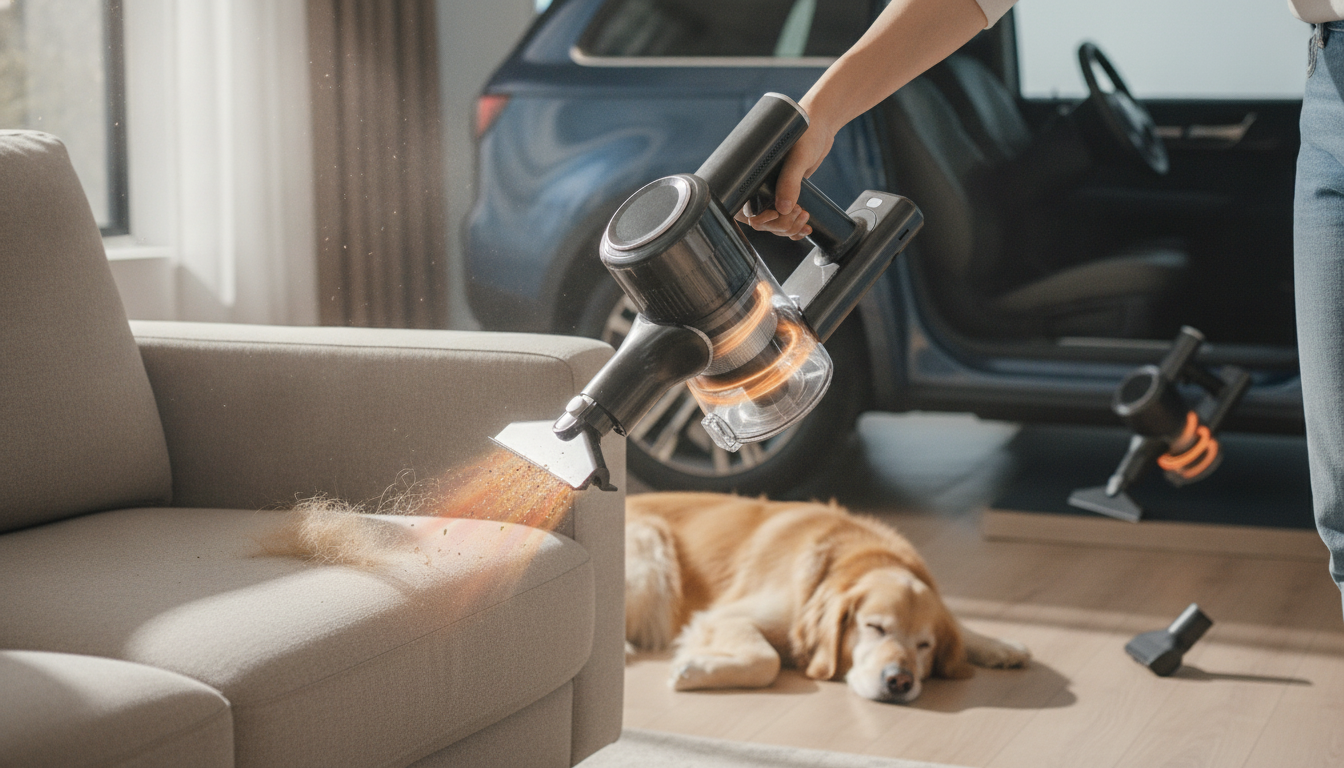
Cordless High-Power Handheld Vacuum Cleaner for Home, Car & Pet Hair
Fast cleanups are easiest when the vacuum is already within reach. A cordless high-power handheld vacuum is built for the small, frequent messes that pile up in real life—crumbs in car seats, pet hair on upholstery, litter scatter, and dusty corners around baseboards. This guide breaks down what matters for performance and comfort, where handhelds work best, and how to keep suction strong over time.
What a high-power cordless handheld vacuum is best at
- Spot-cleaning high-traffic zones: entry mats, couch cushions, dining chairs, and stair treads
- Detail work in tight spaces: car cup holders, seat rails, between cushions, and around pet beds
- Quick response to pet hair and tracked-in debris before it spreads through the home
- Keeping a second vacuum where messes happen: one for the car, one for the main living area, or one near the litter box
For grab-and-go daily mess control, see the Cordless High-Power Handheld Vacuum Cleaner for Home, Car & Pet Hair.
Power and suction: what to look for (and what to ignore)
- Suction performance matters more than marketing terms; prioritize strong pickup on upholstery and car carpeting
- A sealed airflow path and well-fitted attachments can improve real pickup more than a bigger motor number alone
- For pet hair, consistent suction plus a nozzle that doesn’t clog quickly is the practical combination
- If available, check for a multi-stage filtration approach that helps trap fine dust during quick indoor cleanups
Practical checklist for choosing a handheld vacuum for home, car, and pet hair
| Need | What to prioritize | Why it helps |
|---|---|---|
| Pet hair on upholstery | Upholstery tool / brush attachment; clog-resistant nozzle | Lifts embedded hair from fabric and reduces tangles |
| Car detailing | Crevice tool; compact head; easy-to-aim airflow | Reaches rails, seams, and tight gaps |
| Everyday crumbs and grit | Strong consistent suction; easy-to-empty bin | Prevents repeated passes and keeps cleanup quick |
| Dust and fine debris | Effective filtration and tight seals | Reduces re-circulation of fine particles indoors |
| Quick, frequent use | Comfortable grip; balanced weight; simple controls | Makes short cleanups less tiring |
| Maintenance | Washable filter (if supported) and easy access to filter/battery | Keeps suction stable over time |
Attachments that actually improve results
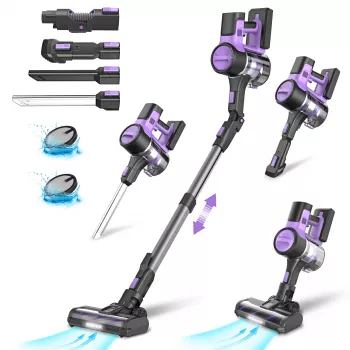
- Crevice tool: essential for car interiors, baseboards, and between sofa cushions
- Brush tool: helps agitate pet hair and loosen debris from upholstery and fabric surfaces
- Wide nozzle: useful for faster pickup on flat areas like car floor mats or steps
- Extension options (if included): improves reach under seats and along edges without awkward wrist angles
A helpful rule: if an attachment makes the nozzle easier to aim and keeps airflow steady, it usually improves results more than forcing a single head to do everything.
Battery runtime and charging habits that prevent frustration
- Runtime depends on power mode and surface type; short bursts are the most realistic use case for handhelds
- A stable charging routine (returning it to the charger after use) keeps it ready for surprise messes
- If charging is via USB or a dock, choose the setup that matches where it will live (garage shelf, entry console, or car trunk organizer)
- Battery care: avoid storing fully drained for long periods; keep vents clear during charging
If the vacuum is meant to live in the car, pairing it with a grab-ready storage solution can make it more likely to get used. For family errands and daily carry, the Large-Capacity Multi-Function Diaper Backpack for Everyday Parenting can help keep wipes, small trash bags, and cleaning essentials organized alongside your routine.
Home cleaning routines where a handheld vacuum shines
- Two-minute daily reset: sofa seat and under cushions, pet bed perimeter, and baseboards near the kitchen
- Weekly detail pass: stairs, window tracks, behind toilet base, and around litter boxes
- Allergy-aware timing: vacuum high-shedding zones first, then empty the bin and clean the filter as recommended
- Pairing strategy: use a handheld for details and a full-size vacuum for whole-floor coverage
For households sensitive to dust, keeping fine particles from getting kicked back into the air matters. Helpful background reading: the U.S. Environmental Protection Agency (EPA) guidance on indoor air quality and the American Lung Association overview on dust and indoor air.
Car cleaning routines for pet hair, sand, and crumbs
- Start with seats and seams: use a crevice tool first to pull out debris that a wide nozzle can’t reach
- Work top-down: seats, console, rails, then floor mats and carpeting
- Pet hair tip: short, overlapping strokes with a brush tool can lift hair that’s woven into fabric
- Finish by emptying the bin outside the car: avoids dust resettling in the cabin
For asthma-prone homes, reducing exposure to common triggers is part of the bigger picture; the CDC’s asthma triggers resource is a useful reference when planning routines.
Filter and bin maintenance to keep suction strong
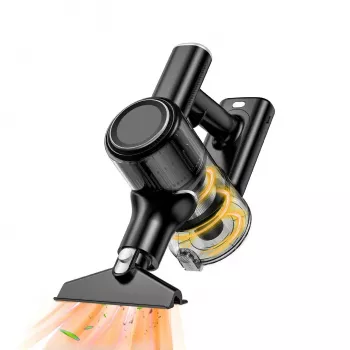
Cordless High-Power Handheld Vacuum Cleaner for Home, Car & Pet Hair: highlights
FAQ
Will a handheld vacuum remove pet hair from couches and car seats?
Yes, especially when consistent suction is paired with a brush or upholstery tool. Use short, overlapping passes, work seams with a crevice tool, and clear the nozzle/filter if hair starts to restrict airflow.
How often should the filter be cleaned or replaced?
With frequent use, check it weekly and clean it whenever suction drops or you see dust escaping during emptying. Follow your unit’s instructions for washable versus replaceable filters, and always let washed filters dry completely before reinstalling.
Can a cordless handheld vacuum replace a full-size vacuum at home?
Not for whole-floor coverage, but it can dramatically reduce the need to drag out a full-size vacuum for small messes, stairs, and upholstery. Many households get the best results using a handheld for details and a full-size vacuum for regular deep cleaning.








Leave a comment