Body Pouf Hygiene: Are They Sanitary in the Shower?
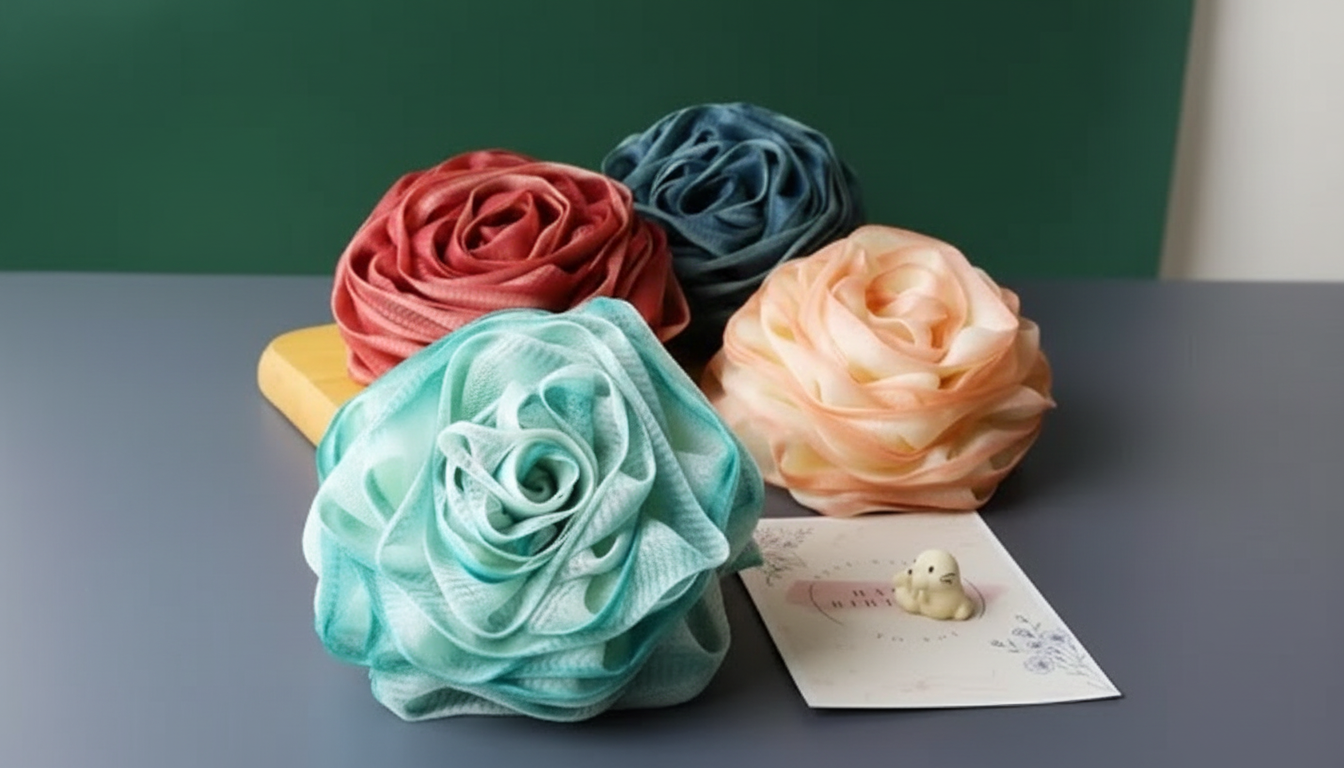
Are body poufs sanitary?
Body poufs can be sanitary, but only if they’re used and cared for correctly. Because they’re designed to hold water and soap while creating lots of lather, they can also trap dead skin, body oils, and residue. In a warm, damp shower environment, that buildup can create an easy place for bacteria or mildew to grow if the pouf stays wet between uses.
The biggest factor isn’t the pouf itself—it’s moisture. A pouf that’s rinsed thoroughly, squeezed out, and hung where it can fully dry (not left in a puddle or on a ledge) is far more hygienic than one that remains damp for hours. It also helps to avoid sharing a pouf, especially if someone has acne, cuts, or irritated skin.
How to keep a body pouf more sanitary
Start with simple habits: rinse until the water runs clear, shake out excess water, and hang it in open air. If your shower has limited ventilation, consider hanging it outside the shower between uses so it dries faster.
Regular replacement matters, too. Even with good care, mesh poufs eventually fray and hold on to residue. If it starts to smell musty, feels slimy, or looks discolored, it’s time to swap it out sooner rather than later.
Does the type of pouf matter?
Yes. Softer mesh styles can be gentler on skin while still creating a rich lather, but any material can become unsanitary if it doesn’t dry. For a deeper look at how bath poufs work, how to use them for gentle exfoliation, and what to consider when choosing one, visit this complete bath pouf guide.
If sanitation is a top concern, focus on quick-drying storage, consistent rinsing, and timely replacement—those steps do more than any “antibacterial” claim on packaging.
FAQ
How often should you replace a body pouf?
A good rule is every 3–4 weeks with daily use, or sooner if it develops an odor, discoloration, or a slimy feel. Replacing faster is smart if it doesn’t dry well in your bathroom.









Leave a comment