Dog Chew Stick + Simple IQ Games for Calm, Focused Dogs
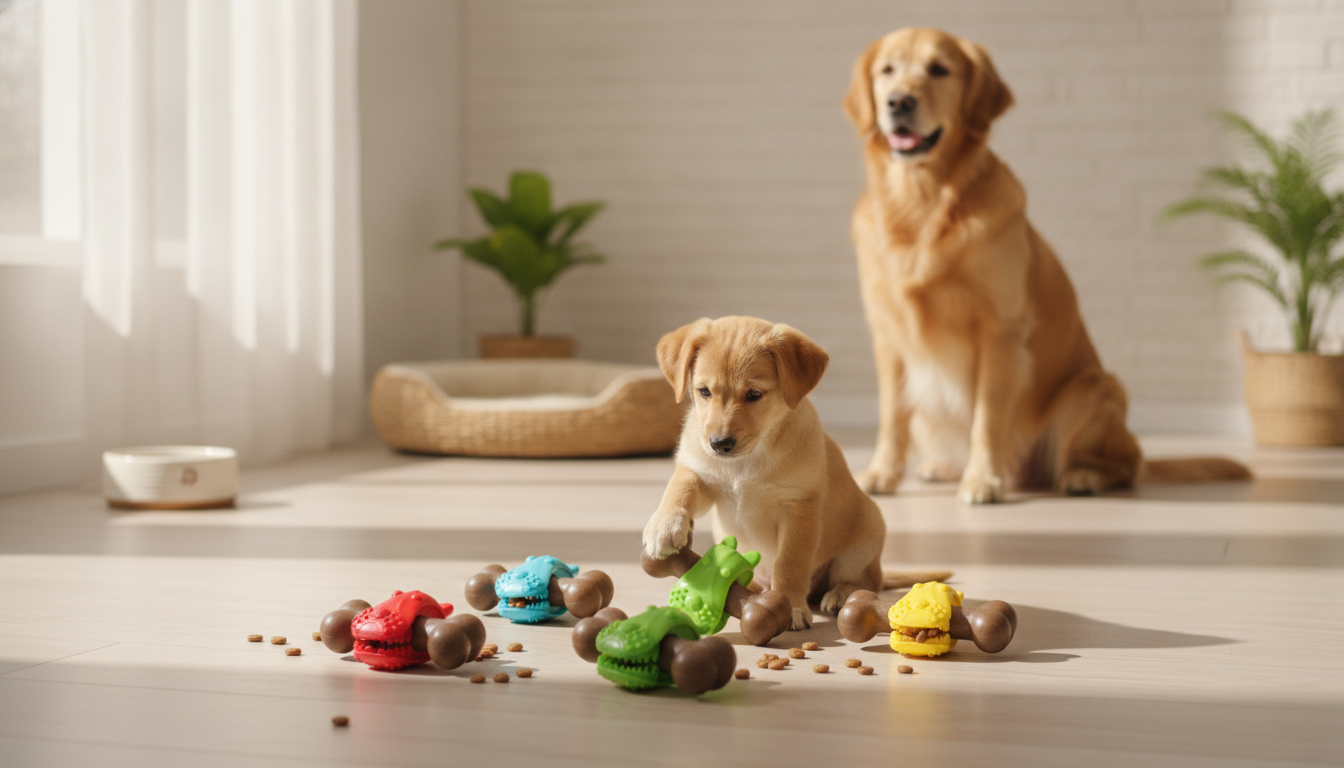
Durable Dog Chew Sticks That Do More: Chewing + Simple IQ Training
A well-designed chew can do more than satisfy gnawing—it can redirect teething, reduce boredom, and support simple training games. The right chew stick becomes a consistent “yes” item your dog can grab instead of chair legs, shoes, or rug corners. Below are practical ways to choose a tougher chew, use it for enrichment and learning, and keep sessions safe for both puppies and adult dogs.
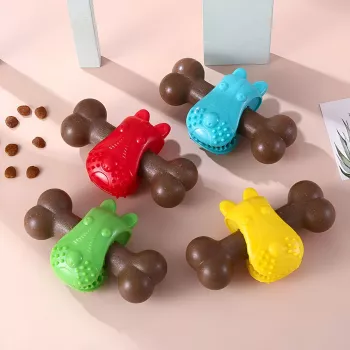
If you’re looking for a multipurpose option to build a daily routine, start with the Durable Dog Chew & IQ Training Stick for Puppies and Adult Dogs and introduce it with a short plan and clear rules.
What This Chew Stick Is Best For
- Daily chewing outlet for teething puppies and active adult dogs
- Enrichment routines that encourage problem-solving and focus
- Reward-based training moments (mark, reward, release) using a toy instead of food
- Crate-time or quiet-time support when paired with supervision and rotation
- Reducing unwanted chewing by offering a consistent, approved alternative
Chew sticks shine when they’re part of a predictable rhythm: brief training → calm chew → rest. That sequence helps many dogs “downshift,” especially after exciting play.
Durability and Build: What to Check Before Buying
- Material toughness: Choose a chew designed to resist tearing, shredding, and sharp edges developing quickly.
- Surface texture: Look for enough grip for chewing, but not so abrasive that it irritates gums.
- Seamless or low-seam design: Fewer weak points that can split or peel.
- Size relative to your dog’s mouth: Large enough to prevent swallowing, small enough for comfortable carrying.
- Odor and finish: Avoid strong chemical smells; prefer smooth, consistent finishing.
- Dog-specific fit: Heavy chewers may need shorter supervised sessions and more frequent inspection.
For puppy teething timelines and what’s normal versus concerning, the AKC’s overview is a helpful reference: AKC — Puppy Teething Guidance.
IQ Training Games to Use With a Chew Stick
“IQ training” doesn’t need complicated gadgets. A single chew stick can become a cue-based game that builds attention, impulse control, and calm handling.
- Find-it: Hide the stick in an easy spot, cue “find,” then gradually increase difficulty.
- Trade game: Teach “drop” by exchanging the stick for a treat, then return the stick to prevent guarding.
- Place-and-hold: Ask for “place” on a mat, then reward calm chewing for short intervals.
- Name the toy: Repeatedly pair a word with the stick, then test recognition by offering two items.
- Impulse control: “Wait” before giving the stick; release with “take it” to build patience.
- Puzzle pairing: Place the stick near a snuffle mat or around cones so the dog navigates to retrieve it.
Tip: keep the first few sessions “easy wins.” If the dog gets stuck, lower the difficulty so the toy stays fun instead of frustrating.
Puppies vs. Adult Dogs: How Use Should Differ
- Puppies need shorter sessions to protect developing teeth and prevent over-arousal.
- Adult dogs often do best with structured routines: chew after walks, training, or meals to encourage calm.
- Seniors may prefer gentler chewing; watch closely for dental sensitivity.
- Always match the chew to the dog’s chewing style: nibblers vs. power chewers.
- Supervision is especially important when introducing any new chew.
Quick Use Guide by Life Stage
| Life stage | Session length | Primary goal | What to watch for |
|---|---|---|---|
| Puppy (teething) | 5–15 minutes | Redirect chewing; soothe gums | Over-chewing, gum irritation, trying to bite off chunks |
| Adult (active) | 10–30 minutes | Boredom relief; calm focus | Intense chewing that creates sharp edges; possessiveness |
| Senior | 5–15 minutes | Gentle engagement | Dental discomfort; reduced grip; fatigue |
Safety Rules That Prevent Common Chew Problems
- Inspect before and after: Remove the toy if cracks, sharp edges, or loose pieces appear.
- Choose a size that cannot be swallowed: When in doubt, size up.
- Supervise early sessions: Learn how your dog interacts with the chew.
- Avoid using damaged toys: Discard immediately if pieces can break off.
- Don’t leave it unsupervised with dogs that shred or ingest non-food items.
- Multi-dog households: Separate during chewing to prevent guarding or conflict.
- Stop and call a vet if choking, repeated gagging, vomiting, or oral bleeding occurs.
For broader pet safety and household risk prevention, see: ASPCA — Dog Care and Safety.
Training Routine: A Simple 7-Day Plan
Cleaning, Storage, and When to Replace
Common Issues and Quick Fixes
Helpful Add-Ons From Our Store
- Durable Dog Chew & IQ Training Stick for Puppies and Adult Dogs — a simple tool for chewing, “find-it,” and impulse-control routines.
- Soft Leather Retro Tote Bag for Women — a convenient carry option for leashes, wipes, and a dedicated “toy pocket” on the go.
- Large-Capacity Multi-Function Diaper Backpack for Everyday Parenting — a roomy day-pack for park trips when you want separate compartments for dog gear.
FAQ
Is this chew stick suitable for teething puppies?
Yes, as long as it’s sized appropriately for your puppy and introduced in short, supervised sessions. Stop use if sharp edges develop or if your puppy starts trying to break off pieces.
How long should a dog use a chew stick each day?
Most puppies do well with 5–15 minutes at a time, while many adult dogs can handle 10–30 minutes depending on chewing intensity. Supervise and end the session before overstimulation or heavy wear creates sharp edges.
How do you know when it’s time to replace a chew toy?
Replace it if you see cracks, jagged edges, loose pieces, missing chunks, or a change in shape that could become a choking hazard. Also swap it out if the texture becomes rough enough to irritate gums.






Leave a comment