Best Anti-Slip Tape: Choose the Right Grit & Adhesive

What is the best anti-slip tape?
The best anti-slip tape is the one that matches your surface and your feet (or hands): strong adhesive for the material you’re sticking to, the right grit level for comfort, and durability for the environment. For most home and retail use, a high-quality mineral-grit tape with a pressure-sensitive adhesive is the safest all-around pick because it provides dependable traction on smooth surfaces like sealed wood, tile, metal, and many plastics.
What to look for in a top anti-slip tape
Adhesive strength: A great anti-slip tape starts with an adhesive that stays put. Look for tapes designed for high-traffic areas and that specify compatibility with your surface (concrete, painted metal, sealed wood, etc.). Poor adhesive is the most common reason tapes peel at the edges.
Grit and comfort: Coarser grit gives stronger traction but can be harsh on bare skin. For barefoot areas (bathrooms, pool steps, boat decks), a softer “comfort” or textured-rubber style can be a better balance. For shoes-only zones (workshop steps, ladders, warehouse stairs), mineral grit is typically best.
Indoor vs. outdoor performance: If moisture, temperature swings, or UV exposure are factors, pick tape rated for outdoor use. Water and dust are traction killers, so prioritize products that resist clogging and edge lift.
Best choice by common use case
Stairs and entryways: Heavy-duty mineral-grit tape with strong bonding adhesive and good abrasion resistance.
Bathrooms and barefoot areas: Comfort-texture anti-slip strips or softer grit that won’t feel like sandpaper.
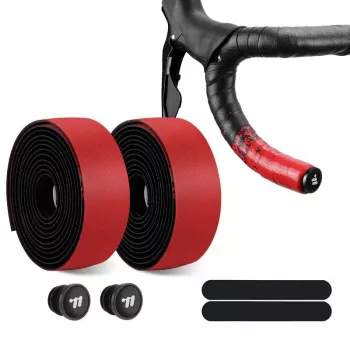
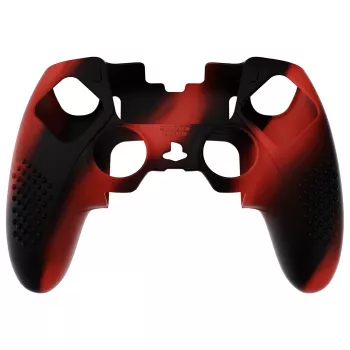
Gear grips and handheld surfaces: Thin, high-traction grip tape or anti-slip grip stickers that add control without bulk. For a practical example of improving grip on a handheld surface, see this guide to anti-slip grip stickers for better control.
Quick tips for a tape that lasts
Clean and fully dry the surface, round the tape’s corners to reduce peeling, and press firmly across the entire strip. Let the adhesive cure before heavy use, especially in cool or humid conditions.
FAQ
How do you apply anti-slip tape so it doesn’t peel?
Degrease the surface, make sure it’s completely dry, and apply the tape with firm pressure from center to edges. Rounding corners and allowing adequate cure time helps prevent edge lift.







Leave a comment