Double-Headed Combo Cable Lock: Fast, Flexible Security
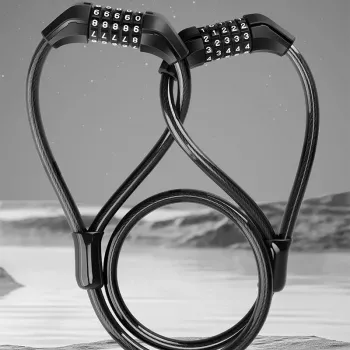
Double-Headed Combination Steel Cable Lock for Bikes and Motorcycles
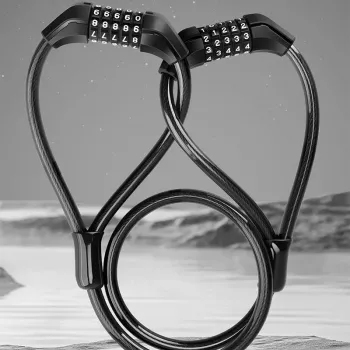
A double-headed combination steel cable lock adds flexibility for securing a bike, motorcycle, or scooter to fixed objects when space, frame shapes, and parking layouts vary. With two locking ends and a resettable code, it’s built for quick daily use while reducing the hassle of carrying keys—making it a practical option for commutes, campus parking, and short stops.
What a Double-Headed Cable Lock Does Differently
Unlike single-end cable locks that force one routing path, a double-headed design gives two lockable ends so you can “meet in the middle” around awkward anchors. That extra routing freedom can be the difference between a secure loop and a frustrating setup when racks are crowded or posts are oversized.
- Uses a steel cable to loop through wheels, frames, and anchor points like racks or posts.
- Double-headed design helps with wider objects or awkward parking angles by giving more ways to route and secure the cable.
- Combination mechanism avoids key management; set a code that’s easy to remember but hard to guess.
- Best suited for low-to-moderate risk areas, quick stops, and as a secondary lock paired with a higher-security primary lock.
Best Use Cases for Bikes, Motorcycles, and Scooters
Cable locks shine when speed and adaptability matter—think quick errands, mixed parking infrastructure, or adding an extra layer to a primary lock.
- Bicycles: loop through the frame and at least one wheel; anchor to an immovable object whenever possible.
- Motorcycles: thread through a wheel (often front) or around a solid part of the frame when accessible; pair with a disc lock or chain for higher theft deterrence.
- Scooters and e-bikes: useful when parking in tight racks where rigid locks can be difficult to position.
- Travel and errands: fast to deploy for brief stops, storage rooms, apartment garages, and event parking.
- Secondary security: ideal for locking helmets, jackets, or luggage to a motorcycle when combined with primary theft protection.
For bike lock-up technique and anchor selection, Kryptonite’s best-practice guidance is a helpful reference: How to Lock Your Bike Properly.
Quick Setup: How to Lock It Correctly
A cable lock is only as effective as the way it’s routed. A few small details—anchor choice, slack reduction, and careful placement—can make a meaningful difference for everyday parking.
- Choose a solid anchor: metal racks or thick posts that can’t be lifted out or cut easily.
- Route the cable to reduce slack: less free space makes leverage attacks harder.
- For bikes, prioritize the frame: run the cable through the main triangle when possible, plus a wheel if length allows.
- For motorcycles, avoid heat and sharp edges: keep the cable away from hot exhaust components and verify it won’t rub sharp parts that could damage the outer jacket over time.
- Confirm it’s truly locked: turn dials fully after locking; tug both ends to confirm the lock is engaged before walking away.
Combination Security and Code Management
Combination locks remove key worries, but the code matters. A good routine helps keep access fast for you—and inconvenient for anyone else.
- Set a non-obvious code: avoid birthdays, repeating digits, and common patterns (e.g., 1234, 0000).
- Change the code periodically: especially if used daily in public settings like campus racks or shared garages.
- Keep dials clean: grit and moisture can make combination locks harder to turn; wipe down after rain or dusty rides.
- Reset with care: if the lock supports resetting, do it indoors with good light and confirm the new code twice before leaving.
Cable Lock vs U-Lock vs Chain: Choosing the Right Layer of Protection
Lock Type Comparison (Everyday Practicality)
| Lock type | Strengths | Limitations | Ideal for |
|---|---|---|---|
| Steel cable (combination) | Fast to use; flexible routing; easy to carry | Lower cut resistance than hardened U-locks/chains | Short stops, secondary security, accessories |
| U-lock | Strong against many hand tools; rigid deterrent | Fit can be limiting; can be heavier | Bike frames in moderate-to-high risk areas |
| Chain (with padlock) | High security options available; versatile wrap | Heavier and bulkier; can be noisy | Motorcycles, longer parking, high-risk areas |
Durability Tips: Weather, Storage, and Maintenance
Product Spotlight: Double-Headed Combination Steel Cable Lock
If daily convenience is the priority—without sacrificing basic lock-up discipline—this option is built for quick routing and key-free access: Double-Headed Combination Steel Cable Lock for Bikes and Motorcycles.
Smart Pairings for Riders
- For bikes: consider pairing your everyday lock routine with durable touchpoints that improve control and reduce fatigue—like Ultralight Non-Slip Aluminum Bike Pedals with Sealed Bearings.
- For motorcycles: use a primary theft deterrent (disc lock or chain) plus a cable for helmets and bags when parked.
- Backup readiness: a cable lock is also helpful as a spare kept in a pannier, trunk, or backpack for unexpected stops.
For broader motorcycle safety basics and rider resources, the NHTSA’s motorcycle safety hub is a solid starting point: NHTSA Motorcycle Safety.
FAQ
Is a combination cable lock secure enough for overnight parking?
It’s usually better for short stops and lower-risk areas than for overnight parking. For overnight or high-theft locations, pair it with a higher-security U-lock or heavy-duty chain as the primary deterrent.
How should a bike be locked with a cable lock to reduce theft risk?
Lock the frame to an immovable object, keep the cable as tight as possible to reduce slack, and include at least one wheel if the length allows. Choosing a well-lit, high-traffic spot also helps reduce risk.
What should be done if the combination dials become stiff or hard to turn?
Wipe away dirt, dry the lock after wet rides, and gently work the dials to clear grit—without forcing them. If the manufacturer allows it, a small amount of light lock lubricant can help, especially after rain or dusty conditions.









Leave a comment