Cloth Baby Book with Teether for Sensory Learning
Interactive Baby Cloth Book with Teether – Soft Sensory Learning Toy
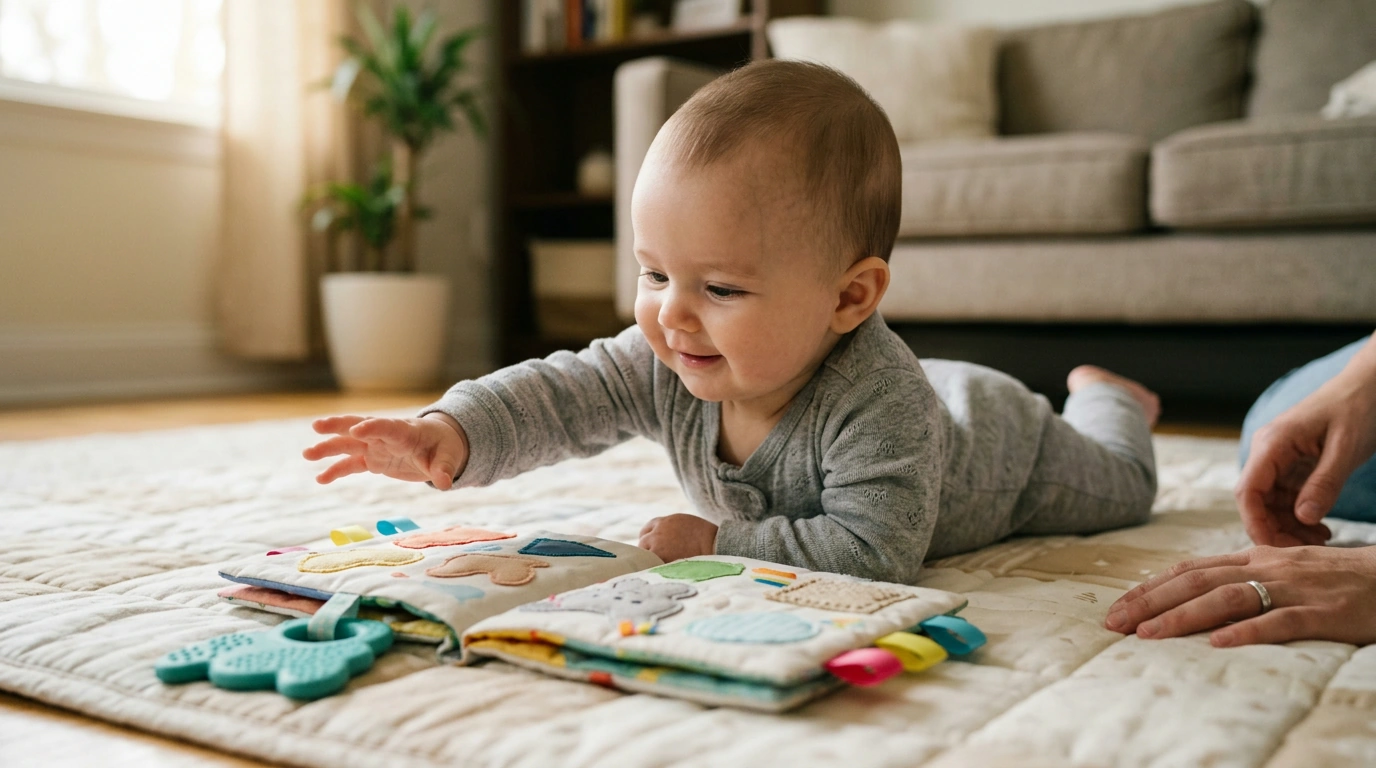
A soft cloth book with built-in textures and a teether can turn everyday moments—tummy time, stroller rides, diaper changes—into hands-on discovery. This kind of toy supports early sensory exploration while giving little mouths something appropriate to chew and little hands something easy to grasp. For more guidance, see Sensory Tummy Time Cloth Baby Book Tiny Wonders Woodland ….
What makes a cloth book with a teether different
Traditional baby books introduce pictures and page turning. A cloth book designed for infants adds the “I can touch it” layer—plus a dedicated teether that’s meant for gum comfort. For further reading, see Most Awesome Toys for 6 Month Old.
- Combines page-turning play with safe chewing relief in one item.
- Soft pages encourage reaching, grasping, and two-hand coordination.
- Tactile elements (crinkle, ribbons, raised shapes) add cause-and-effect feedback.
- Lightweight design works well for travel, car seats, and strollers.
Because babies learn through their senses first, a fabric book can be more engaging than a rigid board book during the early months—especially when short, repeatable play is the goal.
Everyday ways to use it (without overstimulation)
Simple routines help babies enjoy sensory toys without turning every moment into “more, louder, faster.” Keep sessions brief and follow your baby’s cues.
- Tummy time: place the book slightly to one side to encourage head turning and reaching.
- Lap reading: slowly turn pages and pause on one texture at a time for short bursts (1–3 minutes).
- On-the-go: clip or place within reach in a stroller; rotate which pages are shown to keep it fresh.
- Teething support: offer the teether briefly, then switch back to a page activity to avoid constant chewing.
- Wind-down routine: choose the same 2–3 pages nightly to build a calming, predictable cue.
If you’re unsure how long to play, a good rule is to stop while baby is still interested. That keeps the book “special” and reduces fussiness.
Skills encouraged through sensory play
Cloth books are often called “simple toys,” but they can support multiple early skills at once—especially when an adult narrates what’s happening and gives baby time to respond.
- Fine motor practice: grabbing tags, pinching corners, turning soft pages.
- Early communication: naming pictures, mirroring baby’s sounds, pausing for babbles.
- Visual tracking: moving the book slowly left-to-right for eyes to follow.
- Cause-and-effect: squeezing crinkle areas or lifting flaps (if included) and hearing a response.
- Self-soothing: appropriate chewing can help during teething phases.
Milestones can vary widely. For a general overview of developmental skills by age, the CDC milestones checklist is a helpful reference: CDC – Developmental Milestones.
Comfort and safety checks caregivers can do quickly
Any item that gets mouthed should be treated like a frequently-used eating utensil: keep it clean, inspect it often, and use it only as intended.
- Inspect seams and attachments regularly; discontinue use if stitching loosens or parts detach.
- Choose age-appropriate use: supervise chewing and page play, especially for younger babies.
- Keep it clean: follow care instructions; allow to fully dry before returning to play.
- Avoid adding extra cords, straps, or aftermarket clips that could create a hazard.
- If baby is sleeping, remove toys from the sleep space and follow safe sleep guidance.
For safe sleep reminders, review guidance from the American Academy of Pediatrics: American Academy of Pediatrics – Safe Sleep Recommendations. For teething comfort basics and what’s normal, see: HealthyChildren.org – Teething Basics (AAP).
Quick comparison: cloth book features that matter most
Two cloth books can look similar at first glance, but daily use quickly highlights which features are most practical for tiny hands and busy caregivers.
| Feature | Why it matters | What to look for |
|---|---|---|
| Soft, grippable pages | Supports grasping and page turning | Cloth pages with defined edges or tabs |
| Multiple textures | Builds sensory exploration | Crinkle areas, tags, varied fabrics |
| Attached teether | Soothing during teething periods | Secure attachment and easy-to-mouth placement |
| Easy cleaning | Hygiene for mouth-play items | Clear care instructions; dries fully |
| Durable stitching | Reduces wear and tear risks | Reinforced seams and tight stitching |
Also consider image style: high-contrast shapes and simpler pictures can be easier for young babies to process, especially during quick play sessions.
A budget-friendly add-on for baby gift bundles
Product pick: Interactive Baby Cloth Book with Teether
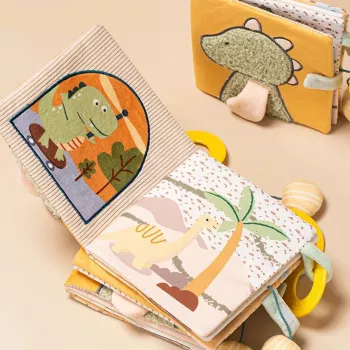
If you want a single item that covers early page play and teething-friendly chewing, consider the Interactive Baby Cloth Book with Teether – Soft Sensory Learning Toy. It’s designed to be soft, easy to hold, and engaging through texture—ideal for quick play windows throughout the day.
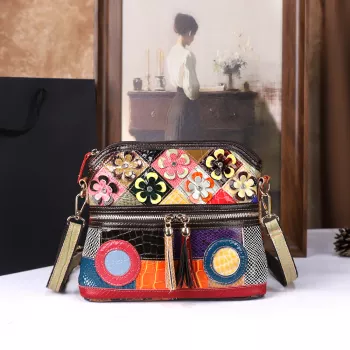
To make outings smoother, pair it with a carry solution that keeps baby items organized, like the Large-Capacity Multi-Function Diaper Backpack for Everyday Parenting. For caregivers who want a smaller everyday option beyond diaper duty, the Soft Leather Retro Tote Bag for Women can work as a grab-and-go personal bag.
FAQ
What age is a cloth book with a teether best for?
Many babies can enjoy supervised cloth-book play from early infancy through toddlerhood, especially once they begin reaching and grasping more intentionally. Readiness depends on your child’s chewing and hand-control stage, so it’s best to follow the product’s stated age guidance and supervise use.
How should a teether and cloth book be cleaned?
Follow the care label first; typically this means gentle washing, thorough rinsing, and making sure the item fully dries before returning it to play. After cleaning, quickly inspect seams, stitching, and the teether attachment for any wear.
Is it safe for babies to use this during sleep?
No—remove toys (including cloth books and teethers) from cribs and sleep spaces, and use them only during supervised awake time. This aligns with established safe sleep recommendations for reducing risks in the sleep environment.









Leave a comment