100-Piece Quick-Release Oscillating Blades: Wood/Metal
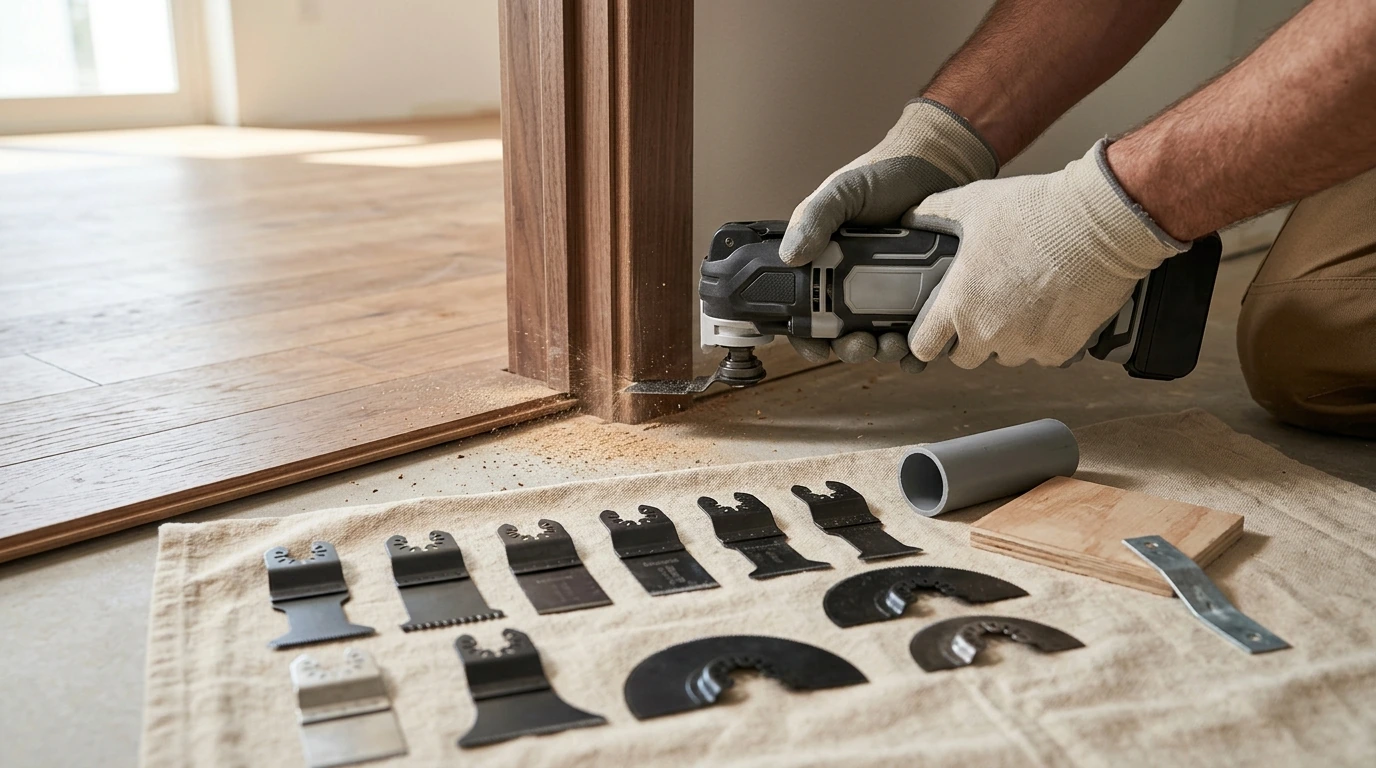
100-Piece Quick-Release Oscillating Saw Blade Set for Wood, Plastic & Metal
A well-stocked oscillating blade kit saves time on cutoffs, plunge cuts, trimming, and detail work across different materials. This 100-piece quick-release set is built for fast swaps and broad coverage—useful for DIY repairs, remodel punch-lists, and shop projects where wood, plastic, and occasional metal show up in the same job.
What This 100-Piece Set Is Built to Handle
Oscillating tools earn their keep in tight spaces and finish work, and a large blade assortment makes it easier to stay productive when the material changes mid-task. This set is designed around common real-world cuts:
- Everyday cuts in softwood, hardwood, plywood, and trim
- Fast plunge cuts for outlets, vents, floor patches, and drywall openings
- Flush cuts at baseboards, jambs, and tight corners where circular saws can’t reach
- Plastic cutting and trimming (PVC, acrylic sheets, ABS—best with controlled speed and light pressure)
- Light-duty metal cutting for nails, screws, brackets, and thin sheet (choose the right blade type and let the tool do the work)
Quick-Release Multitool Compatibility and Fit
Quick-release blades are meant to reduce downtime between steps—especially when bouncing between wood and fastener-heavy areas. Fit still matters, though. Before starting, confirm the blade mount pattern matches your oscillating tool’s interface, and keep the mating surfaces clean so the blade seats flat.
For the most stable cutting, lock the mechanism fully and re-check after the first few cuts. Dust or a partially engaged latch can lead to wobble, vibration, and early wear.
Compatibility Check Before Buying/Using
| Check | Why it matters | What to do |
|---|---|---|
| Mount style | A mismatch can cause slipping or vibration | Compare the blade mount to the tool’s holder and manual |
| Blade width/length | Controls reach and stability in tight spaces | Use narrower blades for corners; wider blades for long straight cuts |
| Material rating | Wrong blade type dulls quickly and heats up | Match blade to wood/plastic/metal and the thickness |
| Tool speed setting | Over-speeding melts plastic and overheats metal | Lower speed for plastic/metal; moderate for wood |
Choosing the Right Blade for the Material
The quickest way to burn through blades is treating every cut the same. A 100-piece kit gives options—use them. Matching tooth style and speed to the job typically improves cut quality and extends blade life.
- Wood: Use sharper, more aggressive tooth patterns for faster cutting; switch to finer teeth for cleaner edges on trim or visible work.
- Plastic: Favor finer teeth and lower speed to reduce melting and chipping; support the workpiece to prevent vibration and chatter marks.
- Metal: Choose blades intended for metal; use steady pressure and brief pauses to reduce heat and preserve teeth.
- Mixed material (wood with nails): Use blades designed for embedded fasteners; expect faster wear than clean wood cuts.
- Finish work: For visible areas, prioritize controlled passes over forcing the cut—especially on painted trim, laminate, or veneered surfaces.
Common Tasks Where a Large Blade Kit Helps
Where oscillating tools shine is the awkward stuff: corners, flush cuts, partial removals, and “just a little bit more” trimming. A larger kit helps keep momentum on multi-step projects, including:
- Door jamb undercuts for flooring installation and transitions
- Grout removal and caulk cleanup around tile edges (use the correct accessory type where applicable)
- Cutting drywall openings for electrical boxes and low-voltage brackets
- Trimming shims, dowels, and small protrusions flush to a surface
- Removing old window glazing stops or trim without prying damage
- Cutting off rusted screws or nails in confined spaces
Tips to Make Blades Last Longer
Even a big assortment can disappear quickly if cuts run hot or the blade is being twisted in the kerf. A few habits go a long way:
- Let the blade oscillate: Avoid side-loading, which bends teeth and heats the edge.
- Use the right speed: Lower for metal and plastic, moderate for wood, and adjust as the cut stabilizes.
- Make relief cuts: On thicker stock, relief cuts reduce binding and heat buildup.
- Keep blades clean: Pitch buildup on wood blades reduces cutting efficiency and increases heat.
- Watch for overheating: Stop if the blade turns blue or smokes—cool down, switch blades, or reduce pressure.
Safety and Setup Checklist
Oscillating tools feel controlled, but they still throw chips, make noise, and can strike hidden fasteners. A quick setup routine helps prevent avoidable problems:
- Wear eye protection; oscillating tools can fling chips and metal slivers.
- Use hearing protection—many oscillating tools are loud at high speed. Guidance on hearing risk and protection is available from NIOSH.
- Clamp the workpiece when possible; movement increases kick and dulls blades.
- Mark cut lines clearly and start with a shallow scoring pass for accuracy.
- Watch for hidden nails, wires, or pipes—especially in walls and floors. General power tool safety guidance is outlined by OSHA.
Product Snapshot: 100-Piece Quick-Release Oscillating Saw Blade Set
Shop In-Stock Picks
- 100-Piece Oscillating Saw Blade Set – Quick-Release Multitool Blades for Wood, Plastic & Metal
- Ultralight Non-Slip Aluminum Bike Pedals with Sealed Bearings
- Soft Leather Retro Tote Bag for Women
FAQ
Will quick-release oscillating blades fit any oscillating multitool?
Not always. Fit depends on the mounting interface on your specific tool, so compare the blade’s mount pattern to your tool’s holder and check the tool manual before use.
Can these blades cut nails or screws in wood?
Yes, using a metal-rated or mixed-material blade. Run a slower speed, use light pressure, and expect faster wear than you’d see with clean wood cuts.
What’s the best way to cut plastic without melting it?
Use a fine-tooth blade at a lower speed with a steady feed rate. Take short passes to manage heat, and support the plastic well to reduce vibration and chipping.












Leave a comment