Soft Mesh Bath Pouf Guide: Better Lather & Gentle Exfoliation
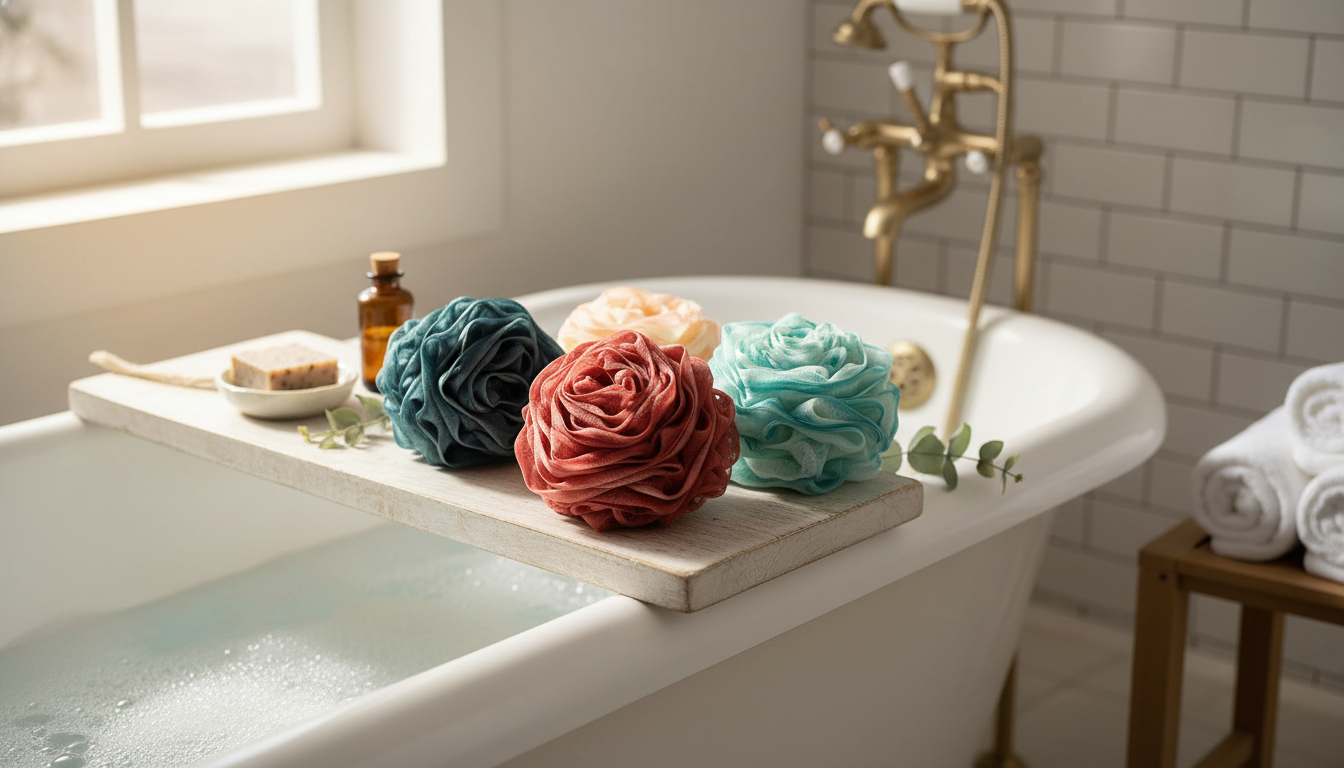
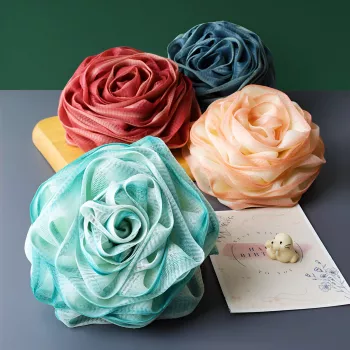
Soft Mesh Bath Pouf Exfoliating Body Sponge: A Simple Upgrade for a Better Lather
A soft mesh bath pouf is designed to create rich foam quickly while providing gentle, everyday exfoliation. Because it holds water and cleanser inside layered mesh, it can help body wash spread farther, feel smoother on skin, and rinse away more cleanly. Below is a practical guide to how a mesh body sponge works, who it suits best, how to use it without irritating skin, and how to keep it fresh between showers. For more guidance, see Why Loofahs Are Bad and Alternatives To Try.
What a soft mesh bath pouf does
Mesh poufs look simple, but their structure is the whole point: multiple layers of soft netting create lots of tiny pockets that hold water, cleanser, and air. For further reading, see Baby Buddy Absorbent Natural Bath Sponge, Soft Exfoliating Grass ….
- Builds lather efficiently by trapping air and water between layers of mesh, helping body wash spread evenly.
- Provides light physical exfoliation that can help lift surface debris and smooth rough-feeling areas (when used gently).
- Covers large areas quickly, making shower routines faster than using hands alone.
- Helps reduce product waste by creating foam with a small amount of cleanser.
Why mesh texture matters for exfoliation
The main advantage of a soft mesh pouf is balance: it offers more “slip” than a coarse brush and often feels milder than many natural loofahs. That makes it a practical option for frequent use—provided pressure stays light.
- Soft mesh is typically gentler than many natural loofahs or stiff body brushes, which can be helpful for daily routines.
- Consistency beats force: the benefit comes from steady, light friction rather than pressing hard. Pressure is what most often shifts exfoliation from “gentle” to “irritating.”
- Use where skin is thicker (arms, legs, back, shoulders) and be extra cautious on thinner or more reactive areas (neck, chest).
- Support the skin barrier by moisturizing afterward—especially if you’re targeting bumps or rough patches.
| Body area | Recommended pressure | Typical frequency | Notes |
|---|---|---|---|
| Arms & legs | Light | Daily or every other day | Moisturize after shower for smoother feel |
| Back & shoulders | Light to medium | Daily or every other day | Avoid aggressive scrubbing over breakouts |
| Elbows, knees, heels | Medium | 2–4x per week | Focus on short passes; don’t over-scrub |
| Chest & neck | Very light | 1–3x per week | Reduce frequency if redness or stinging occurs |
| Underarms & bikini line | Very light | 1–3x per week | Skip exfoliation right after shaving or waxing |
How to use a bath pouf for maximum lather (without irritation)
A pouf works best when it’s fully saturated and you let the texture do the work. The goal is a clean, comfortable glide—not a “scrub until it squeaks” feeling.
- Soak first: rinse the pouf under warm water until it’s fully wet. A dry pouf can feel scratchier.
- Add less product than you think: apply a small amount of body wash (or add bar-soap lather) to the mesh.
- Build foam: squeeze the pouf 2–3 times to aerate and create a thicker lather.
- Use short, gentle passes: glide over skin instead of “scouring” in hard circles. Reduce pressure on bony areas and sensitive zones.
- Listen to your skin: stop if skin feels hot, stings, or turns bright red.
- Rinse it well: after use, rinse until the water runs clear to remove residue that can trap odor.
For more on avoiding irritation, see the American Academy of Dermatology’s guidance on exfoliation: https://www.aad.org/public/everyday-care/skin-care-basics/care/exfoliation.
Care, drying, and when to replace it
Because mesh layers hold moisture, drying is the make-or-break habit. A pouf that dries quickly tends to stay fresher longer.
Signs of over-exfoliation often point to a stressed skin barrier—burning, tightness, and increased dryness are common red flags. Cleveland Clinic offers a helpful overview: https://health.clevelandclinic.org/over-exfoliating.
Who it’s best for (and who should be cautious)
Mesh pouf vs. washcloth, natural loofah, and body brush
Product snapshot and what to look for
Soft Mesh Bath Pouf Exfoliating Body Sponge is a simple, low-cost way to improve lather and keep exfoliation on the gentle side—especially when paired with a moisturizer after showering.
| Item | Details |
|---|---|
| Product | Soft Mesh Bath Pouf Exfoliating Body Sponge |
| Price | $6.32 USD |
| Availability | In stock |
| Best for | Everyday lather + gentle exfoliation |
| Care priority | Rinse well and dry fully after each use |
More in-stock everyday essentials
- Large-Capacity Multi-Function Diaper Backpack for Everyday Parenting
- Ultralight Non-Slip Aluminum Bike Pedals with Sealed Bearings
FAQ
How often should a mesh bath pouf be replaced?
Most people replace a mesh bath pouf every few weeks to a couple of months, depending on how often it’s used and how well it dries between showers. Replace sooner if it develops a persistent odor, starts fraying, looks discolored, or feels rougher than before.
Is a bath pouf safe for sensitive skin?
It can be, as long as pressure stays very light and frequency is reduced (for example, a few times per week instead of daily). Avoid using it on inflamed, broken, or actively irritated skin, and moisturize after showering; during flares, a very soft washcloth may feel better.
What’s the best way to keep a bath pouf from getting smelly?
Rinse it thoroughly, squeeze out excess water, and hang it where air can circulate so it dries fully. Avoid leaving it in damp spots, and do a weekly wash with mild soap and warm water—full drying is the key to preventing mustiness.







Leave a comment