Women’s Quick-Dry Long-Sleeve Tee for Runs & Gym
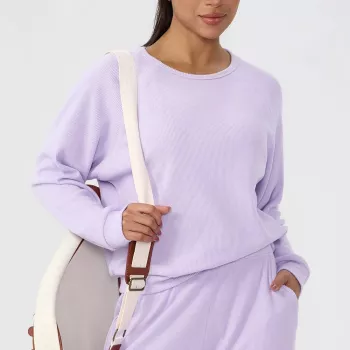
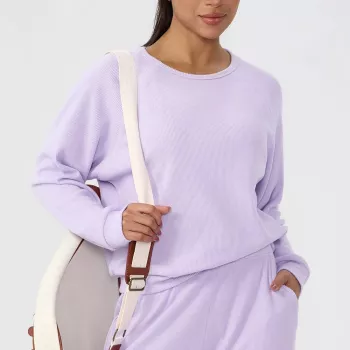
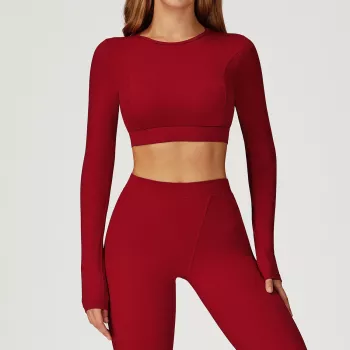
Women’s Long-Sleeve Quick-Dry Sports Tee for Running & Fitness: Comfort That Keeps Up
A long-sleeve training tee can make the difference between feeling comfortable and feeling distracted—especially on cool runs, high-sweat intervals, or gym sessions that swing between warm-up and cooldown. This quick-dry sports tee is designed to move easily, manage moisture, and layer smoothly for year-round training. For more guidance, see 6 Best Women’s Long-Sleeve Running Shirts for Spring.
What Makes a Great Long-Sleeve Training Tee
The best long-sleeve athletic tops do more than “cover your arms.” They regulate sweat, stay breathable as your effort ramps up, and feel natural through every rep and stride. A strong option typically includes: For further reading, see The 25 Best Women’s Running Tops 2026 – Runner’s World.
- Moisture management that helps sweat spread and evaporate faster for a drier feel.
- Breathable fabric that stays comfortable during tempo runs, lifting, and cardio circuits.
- Sleeve and shoulder mobility that won’t tug during arm drive, presses, or rows.
- A layer-friendly fit that sits cleanly under a vest or jacket without bunching.
- Comfort details (soft seams, low bulk) that reduce distraction over longer sessions.
When those basics are dialed in, a long-sleeve tee becomes the “grab-and-go” layer that works across seasons—especially during transitional months when the air feels cool but your training heats up fast.
When This Tee Shines: Running, Gym, and Everyday Active Wear
A quick-dry long sleeve is at its best when conditions (or workouts) change quickly. It’s a practical choice for:
- Outdoor runs in cool or transitional weather when short sleeves feel chilly at the start.
- Treadmill workouts where sweat builds quickly and quick-dry fabric matters.
- Strength training and functional fitness where free shoulder movement is key.
- Warm-ups, cooldowns, and post-workout errands where a simple athletic top works anywhere.
- Layering under a lightweight shell for windy routes or early mornings.
If you tend to start cold and finish hot, this style often feels more “adaptive” than a heavier mid-layer. Pair it with smart hydration habits during longer sessions; the American College of Sports Medicine offers helpful guidance on planning fluids for fitness in different conditions (ACSM hydration resource).
Quick-Dry Comfort: How It Feels During a Workout
Comfort changes as your heart rate climbs. A quick-dry long sleeve is designed to feel less distracting when sweat levels spike—especially during intervals and mixed-modality training.
- Feels lighter as intensity increases, helping reduce that clingy, soaked sensation.
- Long sleeves offer coverage without needing a bulky mid-layer.
- Suitable for repeated intervals: warm-up, hard effort, short rest, repeat—without feeling swampy.
- Coverage-forward option for runners who prefer more protection from sun, wind, or cooler air.
Because training tops sit close to the skin, keeping them clean and dry between uses matters for comfort and skin health. For active people, the CDC highlights practical steps to reduce the risk of fungal skin issues—like changing out of sweaty clothing promptly and washing workout gear regularly (CDC prevention guidance).
Fit, Layering, and Movement Tips
The “right” fit depends on how you train most often. Use these quick checks to dial in comfort:
- For running: choose a fit that allows full arm swing without excess fabric flapping.
- For gym training: ensure sleeves and shoulders don’t restrict overhead movements.
- For layering: avoid overly loose fits if wearing under a jacket to reduce bunching at the elbows.
- If between sizes: size for intended use—closer fit for running, slightly relaxed for general training.
- Styling that stays put: pair with high-rise leggings or shorts for a stable feel during dynamic movements.
A helpful “test drive” is a few big movements before you train: arm circles, a couple overhead reaches, and a short jog in place. If the hem rides up or the shoulders pull, consider adjusting size or how you layer.
At-a-Glance Checklist
Use this quick checklist to decide if a long-sleeve quick-dry tee matches the workout plan and weather.
| Need | Why it matters | Good sign to look for |
|---|---|---|
| Quick drying | Stays more comfortable during sweat-heavy sessions | Fabric doesn’t feel heavy or clingy for long |
| Breathability | Helps manage heat during intervals and indoor training | Feels ventilated rather than sealed-in |
| Freedom of movement | Prevents tugging on runs and lifts | Shoulders and sleeves move easily overhead |
| Layer-friendly fit | Reduces bunching under jackets or vests | Smooth feel under outer layers |
| Comfort on skin | Less distraction over longer workouts | Low bulk, minimal irritation points |
Care and Longevity
Product Option
- Women’s Long-Sleeve Quick-Dry Sports Tee for Running & Fitness — a streamlined long-sleeve quick-dry tee designed for running and fitness, suited for training sessions where comfort, coverage, and moisture management matter.
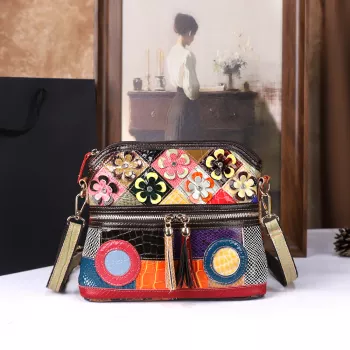
- Soft Leather Retro Tote Bag for Women — a clean, everyday carry option for small essentials before and after training.
- Large-Capacity Multi-Function Diaper Backpack for Everyday Parenting — a roomy choice when you need extra space for layers, snacks, or on-the-go gear.
FAQ
Is a long-sleeve quick-dry tee good for warm workouts?
Yes—quick-dry, breathable fabric can work well in warm sessions, especially for intervals or indoor training where sweat builds fast. Keep the fit comfortable and skip extra layers so heat can escape.
What should the fit feel like for running versus strength training?
For running, a slightly closer fit helps reduce flapping and distraction while still allowing full arm swing. For strength training, a touch more room can feel better, as long as the shoulders and sleeves move freely overhead.
How do you wash quick-dry workout tops to keep them performing well?
Wash promptly after sweaty workouts, use mild detergent, and avoid fabric softeners that can interfere with moisture management. Use low heat or air-dry when possible to help the fabric keep its performance feel.









Leave a comment