5-Pack Reusable Microfiber Mop Pads for Rinse & Wring
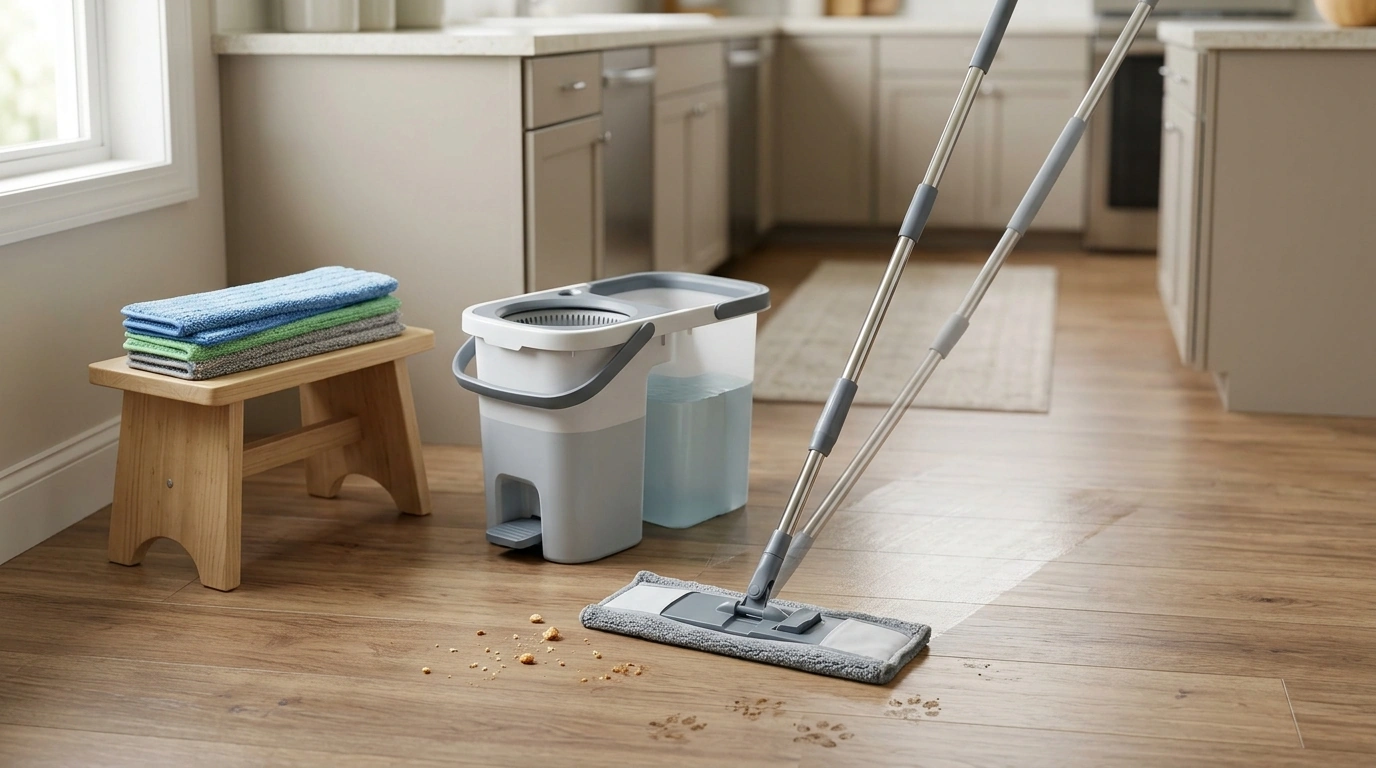
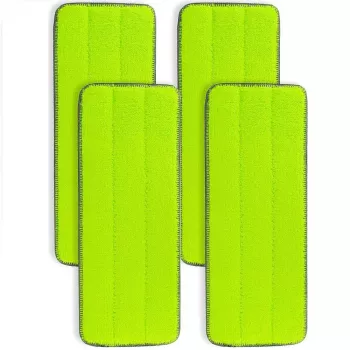
5-Pack Microfiber Reusable Mop Pads for Flat Rinse & Wring Systems
A dependable set of reusable microfiber pads can make everyday floor care faster, cleaner, and less wasteful. This 5-pack is designed for flat mop setups that rinse and wring, offering a practical rotation of pads for kitchens, bathrooms, entryways, and routine whole-home cleaning. When you can swap to a fresh pad mid-clean, you’re less likely to drag yesterday’s grit across today’s freshly rinsed floor. For more guidance, see Mop Heads & Refill Pads – Office Runway.
What These Mop Pads Are Made For
These pads are designed to pair with flat mop heads used in rinse-and-wring style systems. The microfiber surface helps lift fine dust, hair, and everyday grime during routine cleaning—especially helpful for quick maintenance passes when you’re not doing a full scrub. For further reading, see The Best Mop, Tested by Our Experts – Consumer Reports.
Because you get five pads in one set, it’s easy to build a simple rotation: one in use, one drying, and others ready for the next room or the next day. This works particularly well for regular maintenance on sealed hard floors where consistent light cleaning keeps buildup from becoming a tougher job later.
If you’re shopping for a replacement set, see the 5-Pack Microfiber Reusable Mop Pads for Flat Rinse & Wring Systems to keep multiple clean pads on hand without relying on single-use wipes.
Key Features That Matter Day to Day
Microfiber has a texture that helps grab and hold particles that paper towels and some traditional cotton pads can push around. In real-world use, that can mean fewer streaks and fewer “crumb trails” when you’re trying to get the floor done quickly.
Reusable pads also reduce the need for disposable wipes for common spills and tracked-in dirt. Instead of using several single-use cloths for the kitchen and then reaching for more in the bathroom, you can swap pads and keep each room’s mess contained.
For a smoother multi-room workflow, many households keep a bathroom-only pad and rotate separate pads for kitchens and general living areas. This is also convenient in pet homes: use a dry pass first for hair, then switch to a damp pad for paw prints.
Quick Specs at a Glance
| Feature | What to Expect |
|---|---|
| Pack size | 5 reusable microfiber mop pads |
| System type | Flat mop rinse & wring style systems |
| Primary use | Routine hard-floor cleaning and maintenance |
| Best practice | Rotate pads room-to-room; wash and air dry between uses |
Compatibility and Fit Checks Before Buying
Before ordering replacement pads, confirm your mop head is a flat style intended for removable pads (not a string mop or sponge roller). The attachment style matters too: some systems use hook-and-loop, while others use pocket-style sleeves. Matching the pad style to your mop head helps prevent slipping, bunching, or uneven wringing.
It’s also worth measuring your current pad length and width and comparing it to the mop head platform. Full coverage helps the pad sit securely during rinsing and wringing. If your system uses a wringing slot or roller, pad thickness can affect performance—too thick and it may bunch; too thin and it may not press evenly. A quick “fit check” saves time and helps ensure your rinse-and-wring system works the way it should.
Where These Pads Shine: Floors and Use Cases
Flat microfiber pads are a strong choice for the high-traffic, high-mess areas most homes deal with daily:
- Kitchen floors: crumbs, splashes, and sticky spots are easier to manage when you can swap to a clean pad halfway through the room.
- Bathrooms: rotating a dedicated pad helps avoid cross-contamination between bathrooms and food-prep areas.
- Entryways and hallways: microfiber helps capture grit and dust that can dull the finish on sealed floors over time.
- Pet homes: a dry pass can collect hair; a second lightly damp pass can lift paw prints and tracked soil.
- Quick refreshes: a lightly dampened pad is useful for visible dusting between deeper cleanings.
For broader hygiene guidance on routine cleaning practices, the CDC’s recommendations can be helpful when deciding when to clean versus disinfect: CDC — Cleaning and Disinfecting Your Facility. If you’re choosing cleaning solutions to pair with your pads, the EPA’s safer ingredient guidance is a practical reference: EPA — Safer Choice Standard.
How to Use for Better Results (Without Overwetting Floors)
Better results often come down to moisture control and pad changes—especially on floors that don’t like excess water.
Care, Washing, and Longevity Tips
Common Issues and Quick Fixes
More In-Stock Finds
- Soft Leather Retro Tote Bag for Women
- Ultralight Non-Slip Aluminum Bike Pedals with Sealed Bearings
- Large-Capacity Multi-Function Diaper Backpack for Everyday Parenting
FAQ
Do microfiber mop pads work on hardwood floors?
Yes—on sealed hardwood, microfiber pads can work well when used slightly damp and thoroughly wrung. Avoid excess water and follow your floor manufacturer’s care guidance to prevent moisture damage.
How often should reusable mop pads be washed?
Wash after each full-home cleaning session or anytime the pad looks visibly dirty. Swapping to a fresh pad mid-clean can help prevent spreading soil from one area to another.
Why should fabric softener be avoided with microfiber?
Fabric softener can coat microfiber strands, which reduces absorbency and makes it harder for the pad to pick up fine particles. Washing without softener helps maintain the pad’s grab and cleaning performance.







Leave a comment