120 dB Electric Bike Bell: 5 Sound Modes for Safer Riding

Electric Bike Bell with 5 Sound Modes and 120 dB Volume: Safer Alerts for City Streets and Trails
A clear, well-timed alert can prevent close calls on shared paths and busy streets. An electric bike bell adds consistent volume, multiple tones for different scenarios, and quick activation without changing grip—useful for commuters, e-bike riders, and anyone navigating mixed traffic.
Why an Electric Bell Can Improve Everyday Riding
Traditional mechanical bells can work well at lower speeds, but their sound can get lost when wind noise rises, traffic gets louder, or the path gets crowded. An electric option is designed to deliver a more uniform output so the signal is easier to recognize even when you’re moving faster.
- More consistent loudness than many mechanical bells, especially at higher speeds and in wind noise
- Multiple sound modes help choose a tone that fits the situation: short courtesy ping, firm warning, or attention-grabbing alarm
- Faster, one-touch activation can be easier than reaching for a traditional bell lever in traffic
- Useful for e-bikes and scooters where speed differentials on paths make early signaling important
Key Features: 5 Sound Modes and High-Output Volume
Having five selectable tones makes a bell feel less “one-note” and can reduce the tendency for other path users to tune it out. A friendly tone for a calm pass and a firmer tone for a blind driveway can communicate intent more naturally than repeating the same sharp ring all day.
- Five selectable tones let riders vary the signal to reduce “alarm fatigue” and communicate intent more naturally
- High-volume output can cut through ambient city noise; use the lowest effective setting for courtesy passes
- Instant on/off and quick mode switching make it easier to adapt between sidewalks, shared paths, and road riding
- Sound variety can be helpful around pedestrians, other cyclists, and drivers—different tones may prompt faster recognition
Sound modes: practical uses
| Mode type | Best use | Tip |
|---|---|---|
| Soft/courtesy tone | Passing walkers/cyclists with space | Ring earlier and slow down to avoid startling |
| Standard bell tone | Shared paths and bike lanes | Pair with a clear verbal “on your left/right” where appropriate |
| Firm alert tone | Approaching blind corners/driveways | Use brief bursts rather than continuous sound |
| Attention-grabber | Noisy intersections or car parks | Ring before entering conflict zones, not during the merge |
| Emergency/alarm tone | Immediate hazard / near miss | Use sparingly; focus on braking and control first |
Volume and Hearing Safety: Using a Loud Bell Responsibly
A bell rated up to very high output can be helpful in traffic, but it also deserves careful use. Loud sounds at close range can be uncomfortable for you and for the people you’re passing, especially if held down for more than a moment. Resources on noise exposure from NIOSH, the CDC, and OSHA highlight why minimizing duration matters.
- Very loud sound levels can be uncomfortable at close range; aim the speaker away from the rider when possible and avoid prolonged activation
- Use short bursts instead of continuous ringing to reduce exposure for the rider and nearby pedestrians
- In crowded areas, combine moderate volume with reduced speed and increased passing distance
- If riding in groups, avoid ringing close to other riders’ ears; signal earlier from farther back
Installation and Fit: Getting a Secure, Rattle-Free Mount
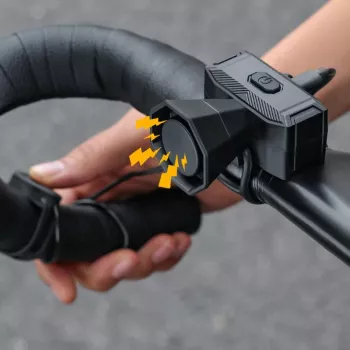
Even the loudest bell won’t help if it rotates on the bar or the button is awkward to reach. A clean install keeps the sound aiming forward and the trigger right where you want it.
Choosing the Right Tone for Common Riding Scenarios
Care, Battery Habits, and Long-Term Reliability
Product Snapshot: Electric Bike Bell with 5 Sound Modes and 120 dB Volume
The Electric Bike Bell with 5 Sound Modes and 120 dB Volume is built for quick, one-touch signaling with multiple selectable tones. It’s a practical choice for commuters and e-bike riders who want a consistent alert that doesn’t depend on mechanical resonance, with the best results coming from using the lowest effective level and ringing earlier rather than louder.
Quick comparison: common alert options
| Option | Strengths | Limitations |
|---|---|---|
| Electric bell (multi-mode) | Consistent volume, tone choices, fast activation | Can be too loud up close; needs power/battery |
| Mechanical bell | No battery, classic sound, simple | Can be quieter at speed; fewer tone options |
| Horn/siren | Very attention-grabbing | Higher startle factor; not ideal for crowded paths |
Helpful Add-Ons for Safer Rides
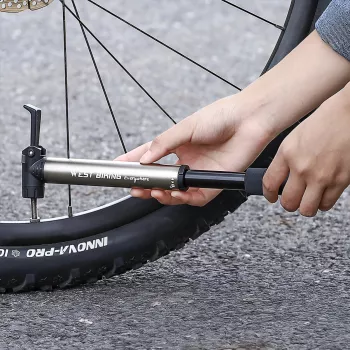
- Keep tires properly inflated to improve braking and handling; a reliable gauge helps maintain consistency. Consider the 160 PSI High-Pressure Bike & Motorcycle Tire Pump with Dual Valve Gauge.
- Stable footing reduces wobble when signaling; grippy pedals and proper shoes help control the bike during passes. The Ultralight Non-Slip Aluminum Bike Pedals with Sealed Bearings are a solid upgrade for everyday riding.
- Consider a small toolkit and pump for commuting to avoid being stranded after a puncture or slow leak.
FAQ
Is 120 dB too loud for a bike bell?
It can be uncomfortable at close range, especially if used continuously. Use short bursts, choose the lowest effective setting, and signal earlier from farther back to reduce exposure for you and others.
Where should an electric bike bell be mounted on the handlebar?
Mount it where your thumb can reach the button without shifting your grip, while keeping clear of brake levers, shifters, and any e-bike display. Route it away from cables and re-check tightness after the first few rides.
Which sound mode should be used on shared paths?
A softer/courtesy tone works best for most passes on shared paths. Ring early, slow down, and give extra space—switch to a firmer tone only when it’s necessary for safety.










Leave a comment