Non-Slip Shockproof Bar Tape: Grip & Comfort Upgrade
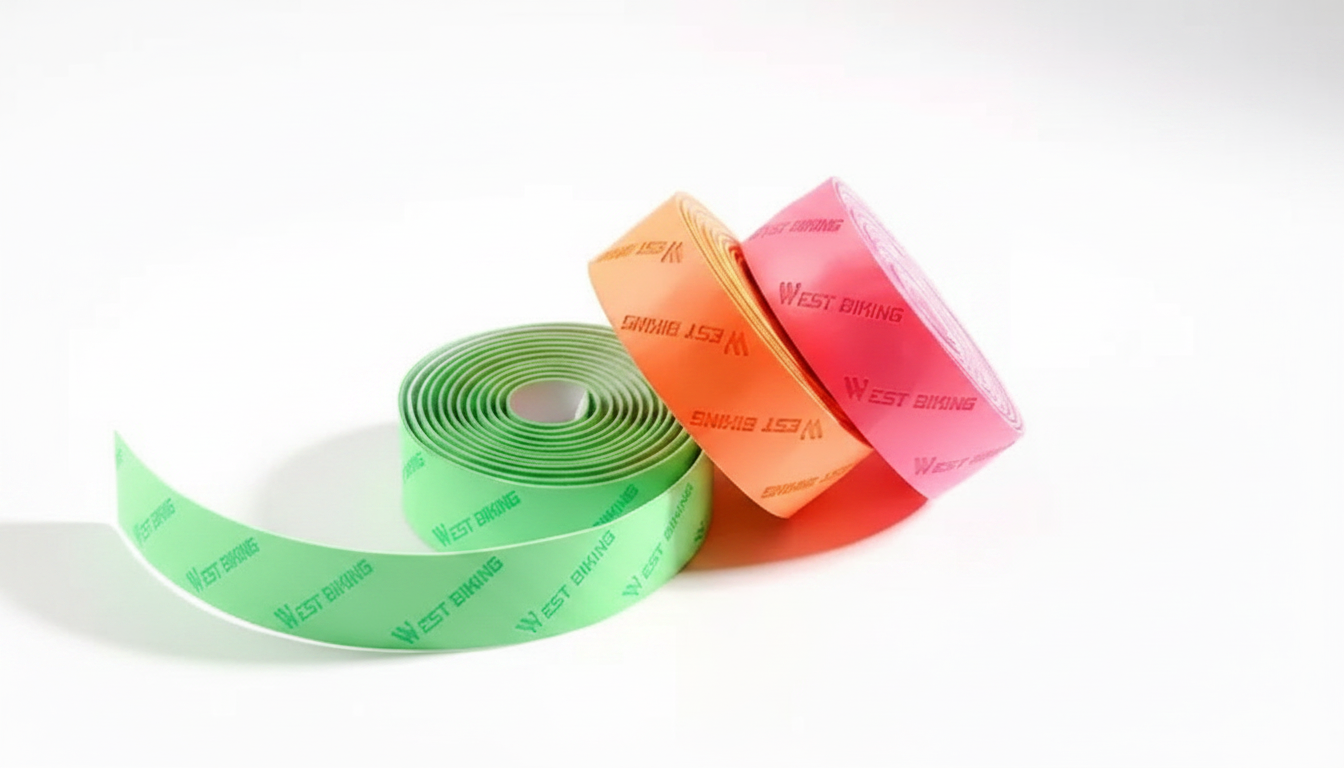
Non-Slip Shockproof Handlebar Tape for Road & Mountain Bikes: Comfort, Control, and Confidence
Handlebar tape does more than change the look of a bike. The right wrap improves grip in wet or sweaty conditions, reduces hand fatigue over long rides, and adds a layer of protection against road buzz and trail chatter. Dialing in bar feel also supports a more stable riding position—especially when fit and hand placement are consistent. For fit fundamentals, see the International Bicycle Fund’s guidance on bicycle fit. For tape-specific background and options, Sheldon Brown’s notes on handlebar tape are a helpful reference. For more guidance, see How’d Ya Get That Shot? – Adventure Cycling Association.
Why handlebar tape matters on road and mountain setups
Whether you ride drop bars on the road or a flat bar on a mixed-terrain build, the contact point at your hands has an outsized effect on confidence and comfort. For further reading, see [PDF] On your back – European Human Powered Vehicle Association.
- Grip stability helps prevent hand slip when braking, sprinting, or descending on rough surfaces.
- Shock absorption can reduce tingling, numbness, and pressure hot spots in the palms during longer rides.
- Consistent bar feel supports precise steering inputs and safer control on technical sections.
- Bar protection matters too: a durable wrap shields the bar from scratches and helps limit sweat-related corrosion around clamp zones.
What “non-slip” and “shockproof” feel like on real rides
“Non-slip” isn’t about having to squeeze harder—it’s about a surface that stays secure when your hands get sweaty or the weather changes. “Shockproof” is the calmer, less buzzy feel you notice most on rough pavement and repeated impacts.
- Tacky surface texture improves hold without requiring an overly tight grip that can fatigue forearms.
- Cushioning dampens vibration from chipseal, cobbles, and hardpack trails.
- Wrap stability reduces twisting or bunching during aggressive riding and frequent hand repositioning.
- Smarter damping can complement gloves so you don’t have to rely on extremely thick padding everywhere.
Common ride conditions and what to prioritize
| Ride condition | Priority | Practical tip |
|---|---|---|
| Hot/sweaty climbs | High friction grip | Pair with gloves or wipe tape periodically to keep it clean |
| Wet rides | Slip resistance + consistent texture | Avoid smooth glossy finishes; consider slightly textured wraps |
| Rough pavement/cobbles | Vibration damping | Use extra overlap and add gel pads under high-pressure zones |
| Light trail/MTB with flat bars | Secure feel + durability | Use a wrap that resists tearing and finish ends carefully |
Key features to compare before buying
Two tapes can look similar but feel completely different after an hour on the hoods or after repeated braking on descents. Compare these details before committing.
- Thickness and padding: thicker wraps usually feel softer but can reduce bar feedback; thinner wraps favor responsiveness and a more direct steering feel.
- Surface texture: micro-texture or tacky finishes generally improve control in rain and sweat, especially when hands shift between tops, hoods, and drops.
- Stretch and conformability: makes installation easier and helps create smooth coverage around bends and brake hood transitions.
- Adhesion and finishing: strong backing adhesive plus reliable end caps/finishing tape helps prevent unraveling over time.
- Durability: abrasion resistance matters if bikes are leaned on walls, ridden in gravel, or used frequently for commuting.
Fitting and compatibility notes
- Drop bars (road/gravel): wrapping pattern, hood coverage, and overlap are the biggest comfort variables. A slightly higher overlap on the drops can reduce sting on rough surfaces.
- Flat bars (some mountain/commuter setups): bar tape can work, but grips are more common; ensure enough length and a secure finish so the ends don’t migrate.
- Bar diameter and accessories: check fit around clamp areas for lights, computer mounts, and aero bars. Plan your wrap so accessory clamps don’t pinch or peel the tape edge.
- Hand size and glove use: thicker tape can be beneficial for larger hands or riders who prefer lighter gloves; thinner tape can feel cleaner for riders who already use padded gloves.
Installation basics for a clean wrap that won’t loosen
Most tape problems come from inconsistent tension and rushed finishing. If you want a visual, Park Tool’s handlebar tape installation guide is a solid baseline.
Care, cleaning, and when to replace
A solid option for upgraded grip and damping
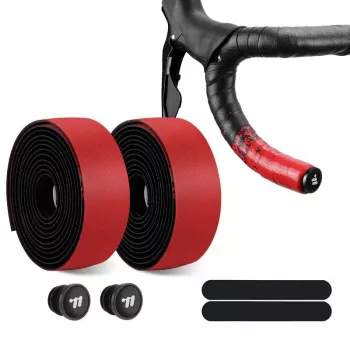
If the goal is steadier hand placement and less buzz over mixed surfaces, Non-Slip Shockproof Handlebar Tape for Road & Mountain Bikes is a practical upgrade for commuters, endurance road riders, and mixed-terrain riders who want a secure, confidence-inspiring feel. The best results come from careful installation with consistent tension and a secure finish at the bar ends.
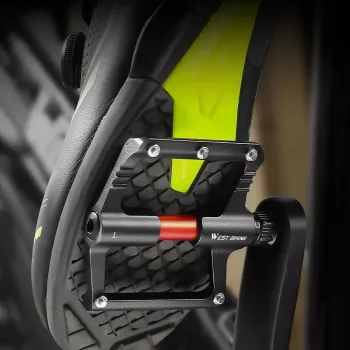
For a more locked-in ride overall, pairing contact-point upgrades can help: stable footing with Ultralight Non-Slip Aluminum Bike Pedals with Sealed Bearings and consistent tire pressure using a reliable floor pump like the 160 PSI High-Pressure Bike & Motorcycle Tire Pump with Dual Valve Gauge can make the bike feel calmer and more predictable on longer rides.
FAQ
How often should handlebar tape be replaced?
Many riders replace tape every 6–12 months, or roughly every 2,000–5,000 miles, depending on sweat, rain exposure, and frequency of riding. Replace earlier if it loses tackiness, starts to unravel, shows tears near the hoods, or the padding stays permanently compressed.
Is thicker handlebar tape always more comfortable?
Not always—thicker tape can reduce vibration but may feel less precise and can make the hood area bulky. Comfort also depends on overlap, whether you add gel pads in pressure zones, glove choice, and how evenly you distribute hand pressure across tops/hoods/drops.
Can handlebar tape be used on mountain bikes?
Yes, but most mountain bikes use dedicated grips on flat bars for durability and hand support. Tape can work on certain flat-bar commuter or mixed-terrain setups if it’s wrapped tightly, finished securely, and chosen with abrasion resistance in mind.








Leave a comment